
Author: Kongdy Patch
Date: 06 08,2026
Wholesale distribution to retail buyers is the third major sales channel for transdermal patch brands, alongside DTC and Amazon. While DTC and Amazon offer higher margins per unit, wholesale offers what those channels cannot — scale, brand credibility, and access to consumers who prefer to discover and purchase products in physical retail environments. The brands that succeed in wholesale achieve 25,000-100,000+ unit monthly sales within 18-24 months of entering the channel, often with 40-55% gross margins even at wholesale pricing. This guide covers the wholesale channel landscape, retailer requirements, pricing strategy, sales process, and common pitfalls for patch brands entering wholesale distribution.
The wholesale channel for transdermal patches includes several distinct retailer categories, each with its own characteristics, requirements, and economics.
| Retailer Category | Examples | Typical Margin | Entry Requirements |
|---|---|---|---|
| Mass Market Retailers | Walmart, Target, CVS, Walgreens | 40-55% to retailer | Significant scale, EDI capability, retail-ready packaging, insurance, trade references |
| Pharmacy Chains | CVS Pharmacy, Walgreens, Rite Aid, regional pharmacies | 45-60% to retailer | FDA registration, NDC or UPC, regulatory compliance, pharmacy buyer relationship |
| Natural Product Retailers | Whole Foods, Sprouts, Natural Grocers | 45-55% to retailer | Natural/organic positioning, non-GMO or organic certifications, sustainability credentials |
| Specialty Health Retailers | GNC, Vitamin Shoppe, local health food stores | 50-60% to retailer | Brand story, clinical evidence, sales support materials |
| Online Marketplaces (B2B) | Faire, Tundra, Abound | 30-50% to retailer | Lower entry barrier, net payment terms, pre-qualified retailers |
| Distributors | McKesson, Cardinal Health, AmerisourceBergen (pharmacy), UNFI, KeHE (natural) | 15-25% to distributor | Distribution agreement, case pack configurations, EDI capability |
Wholesale pricing is fundamentally different from DTC and Amazon pricing. The wholesale price must be low enough that the retailer can achieve their target margin after their mark-up, but high enough that the brand maintains acceptable gross margin. The typical wholesale pricing framework for patch products is: MSRP (Manufacturer's Suggested Retail Price) at 2.5-3.0x the wholesale price for mass retail, 2.0-2.5x for specialty retail, and 1.8-2.2x for online B2B marketplaces. The brand's gross margin at wholesale pricing is typically 40-55%, which is lower than DTC (60-75%) but higher than Amazon (35-50% after fees and PPC).
For example, a 30-count pain relief patch with USD 0.50 landed cost, USD 1.50 packaging cost, USD 1.00 secondary packaging cost, and USD 0.30 labeling cost has a total cost of USD 3.30 per unit. A wholesale price of USD 8.00 provides USD 4.70 gross margin (59% gross margin). The retailer pays USD 8.00 and sells at MSRP USD 19.99-23.99, achieving 60-65% retail margin.
The wholesale sales process is longer and more complex than DTC or Amazon, but follows a predictable sequence of steps.
Identify the 20-50 retailers most likely to be interested in your product based on category fit, customer demographics, and current assortment. Prioritize based on entry barrier (low for online B2B, high for mass retail), expected volume (mass retail highest, specialty lower), and strategic value (national chain placement builds brand credibility).
Most retailers require a new vendor qualification process including: vendor application (business information, insurance certificates, banking details), product documentation (specifications, COA, regulatory filings, MSDS), insurance certificates (typically USD 1-2 million product liability), EDI capability for purchase orders and invoices, trade references from other retailers or distributors, and sample submission for buyer evaluation.
Once qualified, present to the buyer's category team. The presentation typically includes: product overview and positioning, target consumer and market opportunity, competitive landscape and differentiation, sales projections, marketing support commitment, and pricing structure. The buyer will evaluate the opportunity based on category fit, expected margin, sales velocity potential, and brand credibility.
If the buyer approves the product, the initial order is placed and the listing is created. The initial order quantity depends on the retailer but typically ranges from 500-5,000 units for first-time listings. The retailer may also require planogram compliance, shelf-ready packaging, and barcode/labeling compliance.
Once the product is on shelf, the focus shifts to reorder velocity and growth. Successful wholesale listings achieve 2-4 reorders per year per retailer, with increasing quantities as the product proves velocity. The brand's role is to support sell-through through marketing, in-store promotions, and retailer-specific programs.
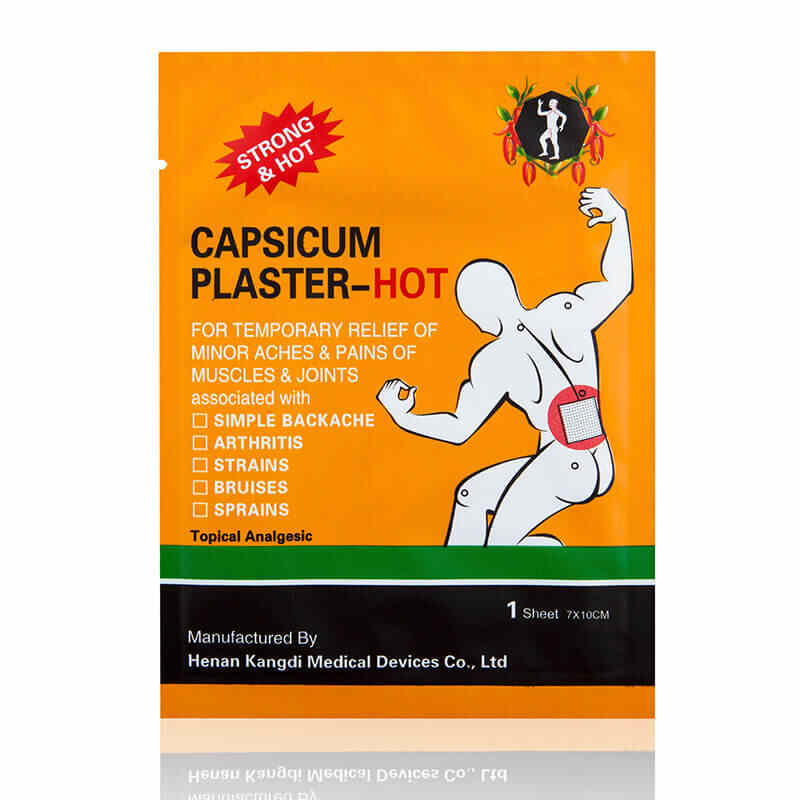
Wholesale retail-ready packaging is a critical requirement for most retailers. The packaging must be: shelf-ready (designed to sit on retail shelves without additional packaging), case-packed in quantities that match the retailer's planogram (typically 6, 12, or 24 units per case), barcoded with UPC or EAN at the unit and case level, marked with manufacturing date, expiration date, batch number, and country of origin, and compliant with retailer-specific labeling requirements. The packaging design must also withstand the rigors of retail distribution (multiple handling events, varying storage conditions, longer time on shelf than DTC products).
For brands that cannot access retail buyers directly, or that want to leverage distributor relationships for broader market coverage, working with a distributor is a common strategy. Pharmaceutical distributors (McKesson, Cardinal Health, AmerisourceBergen) provide access to pharmacy chains, hospitals, and other healthcare channels. Natural product distributors (UNFI, KeHE) provide access to natural product retailers. Regional distributors provide access to local retailers in specific geographic markets. Distributors typically take 15-25% of the wholesale price in exchange for their sales, logistics, and accounts receivable services.
Retailer relationships are the foundation of successful wholesale distribution. Building these relationships requires: identifying the right buyer contact for each retailer (typically the category buyer for the relevant product category), developing a clear and compelling pitch that the buyer can quickly evaluate, providing excellent customer service and responsiveness throughout the qualification and listing process, maintaining consistent quality and supply chain reliability to support the buyer's confidence, and supporting sell-through through marketing, promotions, and retailer-specific programs. The brands that invest in long-term retailer relationships consistently achieve better pricing, better shelf placement, and faster growth than brands that treat retail as a transactional channel.
Wholesale distribution requires significant working capital for inventory (4-8 weeks of production lead time + 4-8 weeks of retail payment terms = 8-16 weeks of capital tied up in inventory). Brands that underestimate this requirement run out of cash before reaching sustainable reorder velocity.
Spreading inventory and operational attention across too many retailers at launch dilutes focus and prevents any single retailer from achieving strong velocity. The solution is to focus on 2-3 anchor retailers at launch, build strong velocity with each, and expand gradually.
Retailers expect brand support for in-store promotion, shopper marketing, and category management. Brands that do not provide this support struggle to achieve shelf placement and maintain retail relationships. The solution is to allocate 5-10% of wholesale revenue to trade marketing.
Brands that try to maintain DTC-equivalent margins in wholesale channel cannot achieve the pricing retailers require, and lose listings to lower-priced competitors. The solution is to develop a channel-specific pricing strategy that recognizes the different margin requirements of each channel.
The most successful patch brands operate a true multi-channel strategy that recognizes the strengths and economics of each channel. DTC offers the highest margins and the strongest customer relationships. Amazon offers scale and access to Prime customers. Wholesale offers credibility, retail presence, and incremental scale. The optimal mix depends on the brand's positioning, target consumer, and growth stage. Many successful brands follow a sequence: launch on Amazon for initial scale, add DTC for margin and customer relationship, then add wholesale for retail presence and additional scale.
At Kangdi Medical, we have supported 200+ patch brands with multi-channel distribution strategies. Our packaging capabilities include DTC-ready premium packaging, Amazon-FBA compliant packaging, and retail-ready wholesale packaging. We work with brand owners to develop channel-specific product variants, pricing, and support programs that maximize performance in each channel.
Wholesale distribution is a powerful growth channel for patch brands that approach it with the right strategy, sufficient capital, and commitment to retailer relationships. The brands that succeed are those that invest in retail-ready packaging, develop channel-specific pricing, build strong buyer relationships, and maintain consistent quality and supply chain reliability. The investment in wholesale capabilities pays back in scale, brand credibility, and long-term business resilience.
Contact Kangdi Medical to discuss your wholesale distribution strategy, retailer requirements, and packaging capabilities. We provide retail-ready packaging, multi-channel product variants, and supply chain support tailored to your specific wholesale growth objectives.
Email: kongdy202113@gmail.com
WhatsApp: +86 15517541011
Website: www.kongdypatch.com
Specializing in the integration of scientific research, production and marketing of medical devices


 0086-15517541011
 No.4,2nd Area,SME Poineer Park,Industry Cluster Zone,Huaiyang Country, Zhoukou, Henan, China.
 kongdy202113@gmail.com