
Author: Kongdy Patch
Date: 06 08,2026
Influencer and user-generated content (UGC) marketing has become one of the three most effective customer acquisition channels for transdermal patch brands, alongside paid search and content marketing. Patch products are particularly well-suited to influencer marketing because they are visual (the patch is applied to a visible body area), benefit from demonstration (creators showing application and effect), and generate authentic testimonials (real users sharing their pain relief results). The top quartile of patch brands using influencer marketing achieve 35-55% lower customer acquisition cost (CAC) than brands relying solely on paid advertising, with 20-35% higher conversion rates from influencer-driven traffic. This playbook covers the 6-step influencer marketing strategy, the creator tier mix that delivers the best ROI, UGC content development, and performance measurement.
Transdermal patches are visual, demonstrable, and outcome-oriented products — three characteristics that make them ideal for influencer marketing. Consumers are skeptical of marketing claims for pain relief products, but they trust authentic reviews and demonstrations from real users. A creator showing their experience applying a patch, the immediate sensation (warming, cooling, or numbing), and the relief they experience over the next few hours is far more persuasive than any brand-produced advertisement. The visual nature of the format also makes patches highly engaging on visual platforms (Instagram, TikTok, Pinterest) where the influencer marketing ecosystem is most mature.
The creator ecosystem for influencer marketing is segmented into four tiers, each with different economics, audience characteristics, and content style.
| Tier | Follower Range | Typical Cost per Post | Best For |
|---|---|---|---|
| Nano-Influencers | 1,000-10,000 | Free product or USD 50-200 | Authentic reviews, niche communities, UGC content generation |
| Micro-Influencers | 10,000-100,000 | USD 200-1,500 | Targeted reach, high engagement, conversion-focused content |
| Mid-Tier Influencers | 100,000-1 million | USD 1,500-15,000 | Brand awareness, broad reach, professional content production |
| Macro/Celebrity Influencers | 1 million+ | USD 15,000-500,000+ | Mass awareness, brand credibility, launch amplification |
For most patch brands, the optimal creator mix focuses on micro-influencers and nano-influencers, supplemented by select mid-tier partnerships for major launches or campaigns. The reason is the favorable economics: micro-influencer content typically achieves 3-5x higher engagement rate than macro-influencer content, and the cost per thousand impressions (CPM) is 5-10x lower. The aggregated reach of 50-200 micro-influencer partnerships typically exceeds the reach of a single macro-influencer campaign, with significantly higher engagement and conversion.
Define the specific consumer segment the influencer campaign will target, then identify the creator profile that reaches that segment. The most effective creator profiles for patch brands include: fitness creators (athletes, trainers, runners, yoga instructors), chronic pain advocates (arthritis, fibromyalgia, back pain communities), wellness creators (clean beauty, holistic health, self-care), lifestyle creators (busy professionals, working parents, seniors), and medical professionals (physical therapists, chiropractors, pain management specialists). For each target segment, identify 20-50 specific creators whose audience and content style align with the target consumer.
The campaign brief provides creators with the information they need to develop effective content. The brief should include: product overview and key benefits, target consumer and use case, campaign messaging (3-5 key points to communicate), content requirements (number of posts, format, hashtags, mentions), disclosure requirements (FTC compliance for paid partnerships), brand guidelines (what to say, what not to say), and timeline. The brief should be flexible enough to allow creator authenticity, while ensuring key messages are communicated.
Outreach to potential creators through direct email, Instagram DM, or influencer marketing platforms (Aspire, Grin, Upfluence). The outreach should be personalized to each creator, demonstrating familiarity with their content and audience. Negotiation includes: deliverable scope (number of posts, stories, reels), usage rights (can the brand reuse the content in ads), exclusivity (creator cannot promote competing products for 30-90 days), and compensation (product only, flat fee, affiliate commission, or combination).
Review creator content before publication to ensure brand messaging, regulatory compliance (especially for products with health claims), and quality standards. The review process should be efficient (24-48 hour turnaround) to maintain creator goodwill. Avoid over-editing creator content — authenticity is the primary value of influencer content, and excessive brand control can eliminate the authenticity that makes the content effective.
Coordinate publication timing across creators to create a campaign moment and maximize organic reach. Amplify creator content through brand channels (brand Instagram repost, brand website, email to subscribers) and paid amplification (boost the top-performing creator posts as paid ads). Paid amplification of creator content is often more effective than brand-produced ads because the creator content has higher trust and engagement.
Measure the performance of each creator partnership and the overall campaign. Key metrics include: reach (impressions, unique viewers), engagement (likes, comments, shares, saves), conversion (click-through rate, conversion rate, revenue attributed), cost (total creator cost divided by conversions or revenue), and content value (estimated value of organic reach and engagement). Use unique discount codes or affiliate links for each creator to enable accurate attribution.
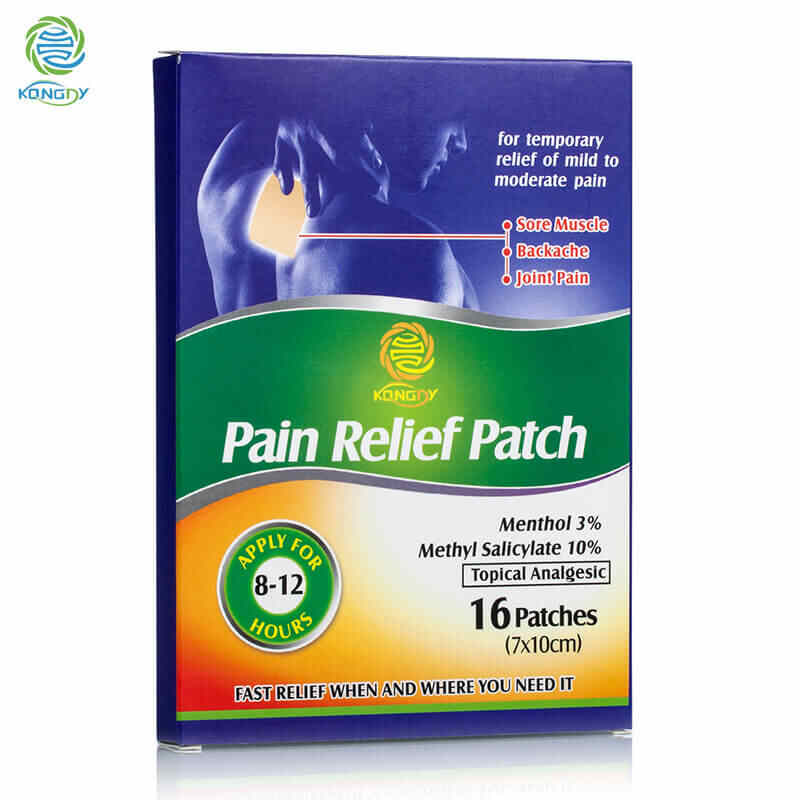
User-generated content (UGC) is content created by customers, not by paid creators. UGC is even more authentic than influencer content because it comes from real customers with no compensation. The most effective UGC strategies for patch brands include: branded hashtag campaigns (#MyPatchMoment, #PatchRelief), customer review incentives (small discount or loyalty points for photo or video reviews), UGC integration on product pages (customer photos and videos shown alongside product images), and UGC rights management (requesting permission to use customer content in brand marketing). The most successful patch brands have built libraries of 100-500+ UGC assets that are used across product pages, social media, email marketing, and paid advertising.
Affiliate partnerships (where creators earn commission on sales they generate) are an attractive alternative to flat-fee partnerships because the brand pays only for measurable results. Typical affiliate commission rates for patch products are 15-30% of sale value, with creators earning USD 4-9 per USD 29.99 patch sale. Affiliate partnerships work well for creators who are willing to invest in long-term content development in exchange for ongoing commission income, and for brands that want to scale creator partnerships without upfront capital commitment.
Instagram is the most versatile platform for patch brand influencer marketing, with strong performance for both static posts, Stories, and Reels. The most effective Instagram content for patches includes: application demonstrations, before/after relief stories, lifestyle integration (wearing patch during work, exercise, sleep), and educational content about the active ingredients or use cases.
TikTok is the highest-engagement platform for patch brands, with average engagement rates 2-3x higher than Instagram. The most effective TikTok content for patches includes: unboxing and first impression, application with immediate effect (warming, cooling), pain relief story time, and trend-jacking with patch-related hooks. TikTok's algorithm favors authentic content over polished production, making it ideal for nano- and micro-influencer partnerships.
YouTube is the best platform for long-form review content and educational content about patch products. The most effective YouTube content includes: detailed product reviews (5-15 minute format), comparison videos (your patch vs competitors), chronic pain journey content (how a creator uses patches in their pain management routine), and ingredient education content.
Pinterest is the best platform for visual discovery, with a user base that is 60%+ female and over-indexed on health and wellness searches. The most effective Pinterest content for patches includes: lifestyle imagery with patch in use, infographics about pain management, gift guide inclusion for wellness products, and SEO-optimized descriptions that drive long-term organic traffic.
Follower count is a vanity metric. A creator with 50,000 highly engaged followers in the target consumer segment is more valuable than a creator with 500,000 generic followers. Evaluate creators based on engagement rate (target 3%+ for Instagram, 8%+ for TikTok), audience demographics, and content style alignment with your brand.
FTC and global advertising authorities require clear disclosure of paid partnerships. Failure to disclose properly can result in regulatory penalties for both the brand and the creator. The solution is to require creators to use #ad or #sponsored hashtags, and to use platform-native disclosure features (Instagram "Paid partnership" tag, TikTok "Branded content" toggle).
Influencer content is most effective when it consistently communicates the brand's key messages. Allowing each creator to communicate different benefits or claims dilutes the brand message. The solution is to develop a campaign brief with 3-5 key messages and ensure each creator communicates at least 2-3 of them.
The economics of influencer marketing for patch brands are compelling. A typical micro-influencer partnership (USD 500 creator fee + USD 50 product cost) generates 30,000-80,000 impressions, 1,500-4,000 engagements, and 100-300 click-throughs to the brand website. With a 3% website conversion rate, this generates 3-9 sales at USD 29.99 average order value = USD 90-270 in revenue. The CAC is USD 60-180 per customer, which is competitive with paid social advertising and significantly lower than paid search for competitive keywords. The lifetime value of acquired customers typically exceeds the CAC by 3-5x within 12 months, making influencer marketing a high-ROI channel.
Influencer and UGC marketing is one of the most powerful customer acquisition channels for patch brands, and the channel is still relatively underutilized in the patch category compared to beauty, fashion, and fitness. The brands that build strong influencer and UGC marketing capabilities in 2026 will establish significant competitive advantage as the channel matures. The investment in creator relationships, UGC content libraries, and performance measurement capabilities pays back in lower CAC, higher conversion rates, and stronger brand authenticity.
At Kangdi Medical, we work with brand owners to support influencer marketing initiatives through product sample fulfillment, custom product variants for creator gifting, and rapid response to creator feedback. We also provide marketing support materials that brand owners can share with creators to streamline content development and ensure consistent brand messaging.
Email: kongdy202113@gmail.com
WhatsApp: +86 15517541011
Website: www.kongdypatch.com
Specializing in the integration of scientific research, production and marketing of medical devices


 0086-15517541011
 No.4,2nd Area,SME Poineer Park,Industry Cluster Zone,Huaiyang Country, Zhoukou, Henan, China.
 kongdy202113@gmail.com