
Author: Kongdy Patch
Date: 06 02,2026
The transdermal patch market is entering a new phase of growth. Global industry analysts estimate the market will grow at a CAGR of 6–8% through 2030, driven by aging populations, demand for non-invasive pain management, and continued growth in e-commerce distribution. For brand owners, distributors, and importers, this represents a significant business opportunity — but only for those who understand the category deeply enough to make informed decisions about product development, supplier selection, regulatory compliance, and market positioning.
This pillar guide consolidates everything an OEM buyer needs to know to launch and grow a successful transdermal patch brand. It is designed to be read sequentially for first-time brand owners, and to be referenced by topic for those with specific questions. Each section links to detailed articles in our knowledge base for deeper exploration of specific subjects.
The transdermal patch is a topical delivery system that administers active ingredients through the skin for local or systemic therapeutic effect. The format has existed for decades, but recent advances in adhesive technology, formulation science, and consumer awareness have transformed it from a primarily medical product into a mainstream consumer wellness category.
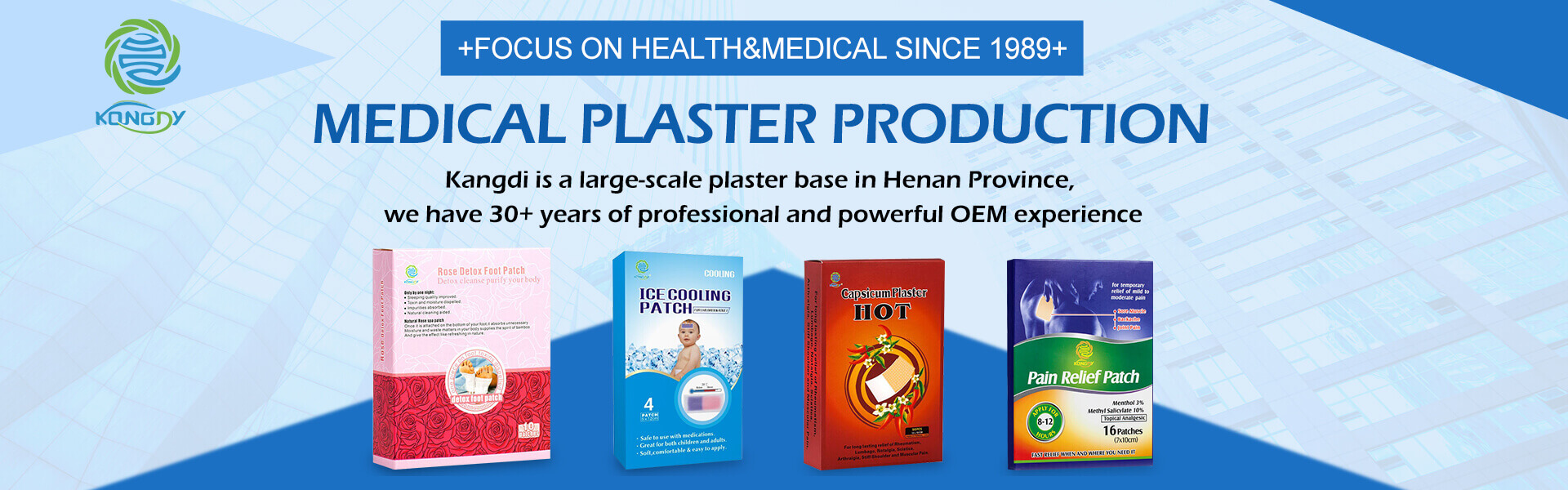
The global transdermal drug delivery market was valued at approximately USD 32–35 billion in 2024, with the topical analgesic and pain relief segment representing a significant and growing subset. Within the consumer market, key product categories include heat patches, cooling gel patches, herbal pain relief patches, mosquito repellent patches, detox foot patches, and steam eye masks. Each category has its own consumer base, regulatory pathway, and competitive landscape.
Heat patches generate warmth through an iron oxidation exothermic reaction, providing drug-free pain relief and muscle relaxation. They are particularly popular in cold-climate markets, the sports recovery category, and among consumers seeking non-pharmaceutical pain management. Global demand is driven by aging populations, the shift away from oral NSAIDs, and the convenience of patch format for sustained warmth therapy.
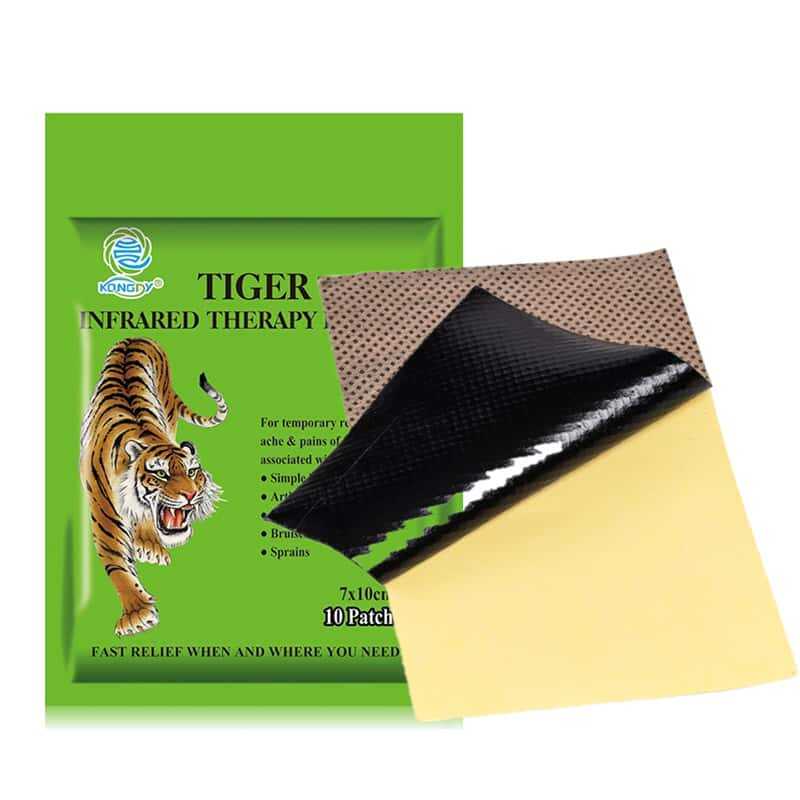
Pain relief patches use active pharmaceutical or cosmetic ingredients — most commonly menthol, camphor, methyl salicylate, lidocaine, or capsaicin — to deliver targeted pain relief. They serve consumers managing acute pain, chronic musculoskeletal conditions, and post-workout muscle soreness. The category includes both OTC products and higher-concentration clinical formulations.
Cooling gel patches use water-based hydrogel matrices to produce a sustained cooling sensation, often enhanced with menthol. They are particularly popular in the sports recovery category and for managing acute inflammatory conditions. The category overlaps with heat patches in market positioning but serves different physiological needs.
Mosquito repellent patches release insect-repelling compounds (most commonly citronella, eucalyptus oil, or IR3535) over a 4–8 hour wear period. The category serves consumers seeking DEET-free, child-safe alternatives to spray repellents, with strong demand in tropical climates and family-focused markets.
The wellness patch category encompasses a diverse range of products that use the patch format for purposes beyond traditional pain management. Detox foot patches leverage traditional wellness concepts; steam eye masks deliver sleep and relaxation benefits; slimming patches claim body contouring effects. Regulatory complexity varies significantly within this category.
Choosing the right product category is the most consequential strategic decision you will make for your brand. The decision shapes your regulatory pathway, target consumer, competitive landscape, and long-term growth potential.
Different product categories serve different consumer segments. Athletes and fitness enthusiasts gravitate toward cooling and analgesic patches. Older adults with chronic pain prefer heat patches and gentle analgesic formulations. Parents of young children prioritize safety and natural ingredients in mosquito repellent products. Wellness-oriented consumers are drawn to detox, slimming, and aromatherapy products.
Regulatory complexity varies significantly by product category. Heat patches and basic wellness products typically face fewer regulatory hurdles. Pain relief patches with active pharmaceutical ingredients require more extensive documentation. Products making specific health claims (slimming, detox, therapeutic pain relief) may trigger medical device or drug classification in some markets.
Some product categories are dominated by large pharmaceutical companies (high-concentration pain relief patches, established OTC brands). Other categories are more fragmented and accessible to new entrants (heat patches, herbal patches, specialty wellness products). Evaluate the competitive landscape in your target market before committing to a category.
Different product categories support different business models. Heat patches work well for e-commerce and mass retail. Wellness patches often perform well in DTC and specialty retail. Pain relief patches with pharmaceutical claims typically require pharmacy distribution. Choose a category that aligns with your distribution strategy and operational capabilities.
Once you have chosen a product category, the next decision is whether to use the OEM (Original Equipment Manufacturing) or ODM (Original Design Manufacturing) model.
In the OEM model, you bring your own formulation, design, and specifications. The manufacturer produces according to your exact requirements. You own the intellectual property and have full control over the product. OEM is ideal if you have a unique formulation, strong brand identity, or specific market requirements. The development timeline is typically 3–6 months and minimum order quantities are usually higher.
In the ODM model, the manufacturer provides ready-made formulations and designs that you rebrand. The customization scope is narrower — typically covering packaging, label artwork, and minor formulation tweaks. ODM is faster to market (4–8 weeks) and requires less upfront investment, but provides less differentiation. Many successful brands start with ODM to validate market demand before migrating to OEM as they scale.
For a detailed comparison, see our guide to transdermal patch OEM customization.
Whether you choose OEM or ODM, the development process follows a similar seven-step structure.
Define your product clearly: target market, intended use, active ingredients, price point, and competitive positioning. The more specific your concept, the faster the development process.
Evaluate potential manufacturers on certifications (ISO 13485, GMP, FDA registration), regulatory experience, production capacity, quality systems, and communication responsiveness. Use our 15-point supplier audit checklist for a structured evaluation framework.
Work with your manufacturer to finalize active ingredients, adhesive matrix composition, backing material, and release liner. Conduct biocompatibility testing (ISO 10993) and stability testing as required for your target market.
Produce 2–3 prototype iterations before mass production. Test prototypes for adhesion, ingredient release, skin comfort, and packaging compatibility. Always test samples on your actual target market population.
Decide on primary packaging (pouches, sachets, blister packs), secondary packaging (boxes), and label content. Ensure compliance with labeling requirements for each target market.
Compile the documentation package required for your target market: FDA 510(k) for US, CE technical file for EU, or other market-specific requirements. For detailed guidance, see our FDA and CE compliance guide.
Sign a detailed production agreement covering quality standards, defect rates, and payment terms. Conduct pre-shipment inspection. Establish ongoing quality monitoring and post-market surveillance.
Accurate cost calculation is essential for sustainable pricing. The total landed cost of an OEM order includes seven components: product cost, tooling, packaging, regulatory documentation, testing, shipping, and customs duties. The quoted unit price typically represents only 55–70% of the true landed cost.
For a standard analgesic patch in 100,000-piece orders, the typical landed cost is USD 0.22 to USD 0.42 per patch. Heat patches are at the higher end (USD 0.45 to USD 0.80 landed cost) due to iron powder costs and packaging complexity. For a complete cost calculation framework with specific examples, see our transparent cost calculation guide.
Most transdermal patches enter the US market through one of three regulatory pathways: FDA 510(k) premarket notification for medical device classification, OTC monograph compliance for products with approved active ingredients and claims, or general wellness product positioning for products making no therapeutic claims. The choice of pathway depends on product type, active ingredients, and intended claims.
Under EU MDR 2017/745, most transdermal patches are classified as Class IIa or IIb medical devices and require CE marking through a Notified Body. Products positioned as cosmetics under EU Cosmetics Regulation face simpler requirements. The technical file is the central documentation package for CE marking.
Health Canada, TGA Australia, PMRA, and Southeast Asian regulatory authorities each have their own frameworks, often referencing ICH guidelines with local variations. Your OEM manufacturer should have experience supporting regulatory submissions for your specific target markets.
Stability testing is a non-negotiable requirement for any transdermal patch product. The testing confirms that your product maintains its safety, efficacy, and performance characteristics throughout the labeled shelf life. Both accelerated (40°C/75% RH for 6 months, predictive of 24-month shelf life) and real-time (25°C/60% RH for full shelf life duration) studies are typically required.
For a complete overview of stability testing requirements, see our shelf life and stability testing guide.
Your pricing strategy determines whether your business generates the margin to fund marketing, channel development, and product expansion. Successful brands price based on true landed cost plus target margin by channel, not on the quoted unit price alone. Typical margin targets range from 30–50% for Amazon FBA, 40–55% for wholesale distribution, and 60–75% for direct-to-consumer e-commerce.
For a complete pricing framework, see our transdermal patch pricing strategy guide.
The cheapest quote often comes with hidden costs in quality, communication, and reliability. Evaluate manufacturers holistically on certifications, track record, and responsiveness — not just unit price.
A few hundred dollars in sample costs can save thousands in rejected production batches. Test at least 2–3 sample iterations before approving mass production.
Build regulatory compliance into your product development from Day 1. Retrofitting compliance after production is significantly more expensive and time-consuming than designing for compliance from the start.
Before sharing proprietary formulations with any manufacturer, ensure you have a signed NDA in place. Protect your intellectual property before sharing trade secrets.
If you claim 36 months shelf life in regulated markets, you need real-time data supporting that claim. Accelerated testing alone is insufficient for many regulatory submissions.
Once your product is in production, the focus shifts to brand building and market entry. Key launch activities include: finalizing brand identity and packaging artwork, building e-commerce listings (Amazon, Shopify, brand website), establishing wholesale relationships with retail buyers, executing launch marketing campaigns, and collecting customer feedback for product iteration.
For first-time brand owners, the launch phase typically requires 3–6 months of marketing investment before sales reach a sustainable level. Budget for this investment in your financial planning.
Successful transdermal patch brands grow through several proven strategies. Product line expansion adds complementary products to capture more of your target consumer's wallet share. Geographic expansion introduces your brand to new markets with localized positioning and regulatory compliance. Channel diversification reduces dependency on any single distribution channel. Brand building through content marketing, social media, and PR establishes long-term brand equity that supports premium pricing.
For brand owners with established products, the next 12–24 months typically focus on product line expansion (heat patch brand adding pain relief line, pain relief brand adding cooling line) and geographic expansion (US-focused brand entering EU or Asian markets).
For OEM buyers evaluating manufacturer options, established manufacturers with decades of operational history offer significant advantages. A 37-year manufacturer has weathered multiple raw material price cycles, regulatory framework changes, and competitive landscape shifts. The operational maturity, quality systems, and regulatory expertise developed over decades of operation cannot be replicated quickly by newer entrants.
Established manufacturers also offer broader production capabilities, deeper regulatory experience across more markets, and stronger customer references from long-term brand relationships. For serious brand owners building a long-term business, these factors outweigh any short-term cost advantage from newer or less established manufacturers.
This guide has covered the major topics you need to understand to launch and grow a transdermal patch brand. The next step is moving from knowledge to action.
Define your product concept and target market with as much specificity as possible. Identify 3–5 potential OEM manufacturers and begin the qualification process using the framework in this guide. Request samples and documentation from each manufacturer. Compare your options not just on price but on the full set of factors that determine long-term partnership success.
When you are ready to begin, Kangdi Medical is here to support your journey. With 37 years of manufacturing experience, ISO 13485 certified facilities, FDA and CE regulatory expertise, and a track record of successful partnerships with brand owners across 60+ countries, we are equipped to be your long-term manufacturing partner.
For a confidential discussion of your product concept and how we can support your market entry, contact our commercial team. We provide detailed feasibility assessments, sample evaluation packages, and production plans tailored to your specific product, market, and growth objectives.
Email: kongdy202113@gmail.com
WhatsApp: +86 15517541011
Website: www.kongdypatch.com
Specializing in the integration of scientific research, production and marketing of medical devices


 0086-15517541011
 No.4,2nd Area,SME Poineer Park,Industry Cluster Zone,Huaiyang Country, Zhoukou, Henan, China.
 kongdy202113@gmail.com