
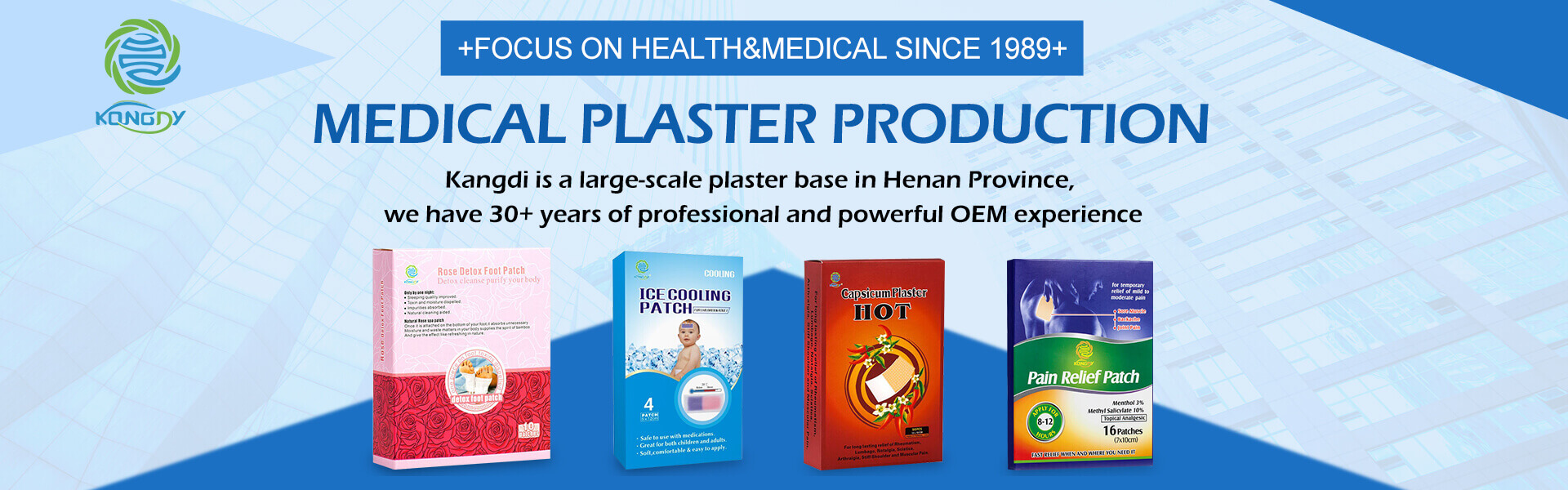
Author: Kongdy Patch
Date: 05 22,2026
If you've ever applied a capsicum plaster and felt a warming—or even burning—sensation, you might have wondered: does this actually work, or is it just a clever marketing trick?
The answer is firmly in the "it actually works" camp. Capsicum extract—derived from chili peppers and applied as the active compound capsaicin—is one of the most studied and evidence-backed topical analgesics available. It's been used in traditional medicine for centuries, and modern science has confirmed exactly how and why it relieves pain.
This article explains the science behind capsaicin, how it works in transdermal patches, what conditions it helps, and what you can realistically expect from it.
Capsicum extract is a concentrated preparation derived from plants of the genus Capsicum—which includes chili peppers, bell peppers, and paprika. The primary active compound is capsaicin (also called capsaicinoids), which is responsible for the "heat" in chili peppers.
Key facts about capsaicin:
Natural origin: Derived from Capsicum annuum, Capsicum frutescens, and related species
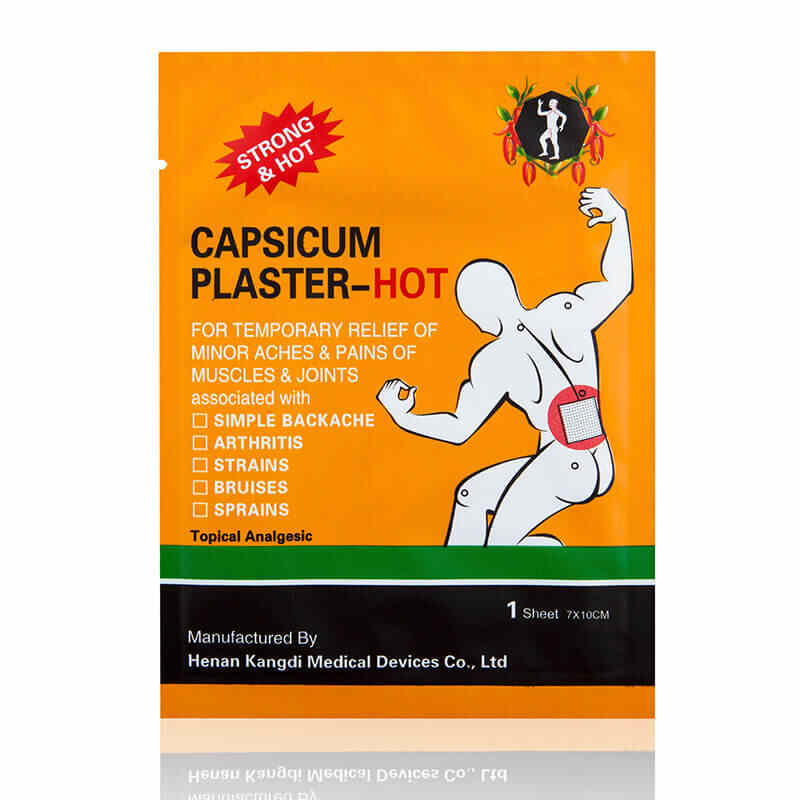
Capsaicin's pain-relieving effect is rooted in its interaction with a specific receptor in the skin: the TRPV1 (Transient Receptor Potential Vanilloid 1) receptor.
When capsaicin is applied to the skin, it binds to and activates TRPV1 receptors—the same receptors that respond to actual heat (temperatures above 43°C / 109°F). This is why applying capsaicin produces a sensation of warmth or burning—the same neural pathway is activated, even without actual heat.
TRPV1 receptor activation triggers the release of Substance P—a neuropeptide that serves as the body's primary pain neurotransmitter. Substance P is responsible for sending pain signals from nerve endings to the brain.
With repeated or sustained capsaicin application, Substance P stores become depleted. Without Substance P, pain signals cannot be transmitted effectively—and pain perception decreases.
With regular use, nerve endings become temporarily desensitized to pain stimuli—a state called analgesia (pain insensitivity). This is not permanent; nerve endings gradually replenish their Substance P stores when capsaicin application stops.
Key point: The more consistently capsaicin is applied, the more effective it becomes. Results accumulate over time, which is why most users report progressively better pain relief after 1–2 weeks of regular use.
Transdermal patch delivery of capsaicin offers several advantages over other application methods:
Unlike creams or gels that must be reapplied multiple times per day, a capsicum plaster delivers capsaicin continuously over 8–12 hours. This sustained exposure maximizes Substance P depletion and provides consistent pain relief throughout the day or night.
Every patch delivers the same concentration of capsaicin to the same area—eliminating the variability of manual cream application (too much, too little, uneven coverage).
No rubbing in, no waiting, no greasy hands. Apply the patch and go about your day—or wear it overnight while you sleep.
Capsaicin from a patch acts locally—it does not enter the bloodstream in significant amounts. This means no internal side effects (unlike oral pain relievers), making it suitable for patients who cannot take oral NSAIDs or opioids.
Capsicum plasters are most effective for:
| Condition | Why Capsicum Works | Evidence Level |
|---|---|---|
| Chronic lower back pain | Localized pain; Substance P depletion addresses nerve hyperactivity | Strong (multiple RCTs) |
| Osteoarthritis (knee, hand) | Reduces neurogenic inflammation at joint | Moderate to Strong |
| Neuropathic pain | Addresses hypersensitive nerve endings directly | Strong (post-herpetic neuralgia, diabetic neuropathy) |
| Muscle pain (post-exercise) | Counter-irritant effect + improved local circulation | Moderate |
| Neck and shoulder tension | Localized delivery to trapezius and cervical muscles | Moderate |
| Fibromyalgia | Addresses widespread nerve sensitivity | Moderate (adjunctive use) |
Unlike oral pain relievers that work immediately, capsicum patches have a progressive effect. Here's what to expect:
Important: Stopping capsaicin use will allow Substance P to replenish over 2–4 weeks, and pain relief will gradually diminish. For chronic conditions, consistent long-term use is recommended.
Capsicum patches are generally very safe, but some users experience:
Contraindications:
Not all capsicum plasters are equal. Look for:
KONGDY (manufactured by Henan Kangdi Medical Devices Co., LTD) produces high-quality capsicum pain relief patches using pharmaceutical-grade capsaicin extract. Our patches are:
Capsicum extract (capsaicin) is one of the most scientifically validated topical analgesics available. Its mechanism—depleting Substance P through TRPV1 receptor activation—is well-documented and produces real, measurable pain relief for chronic conditions including back pain, arthritis, and neuropathy.
Transdermal patch delivery enhances capsaicin's effectiveness by providing sustained, consistent dosing over 8–12 hours—far superior to creams or gels that wash off or evaporate.
Whether you're a consumer seeking effective pain relief or a brand looking for a OEM capsicum patch supplier, KONGDY has the formula, quality, and customization options to meet your needs.
Interested in capsicum patches for your brand?
Email: kongdy202113@gmail.com
WhatsApp: +86 15517541011
Website: www.kongdypatch.com
Specializing in the integration of scientific research, production and marketing of medical devices


 0086-15517541011
 No.4,2nd Area,SME Poineer Park,Industry Cluster Zone,Huaiyang Country, Zhoukou, Henan, China.
 kongdy202113@gmail.com