
Author: Kongdy Patch
Date: 06 23,2026
Body warmer heat patches (known as 暖宝宝 in China, kairo in Japan, and by various brand names worldwide) are one of the safest and most popular consumer warming products, used by hundreds of millions of people every year. But "safe" doesn't mean "risk-free" — every year, body warmers cause thousands of minor injuries (and occasional serious injuries) from burns, allergic reactions, and improper use. Most of these injuries are preventable with proper knowledge and care. This practical safety guide covers 12 critical precautions, 7 best use practices, and the specific risks you need to be aware of for different user groups (children, elderly, diabetics, people with sensitive skin). Whether you use body warmers occasionally for winter walks or daily for chronic cold sensitivity, this guide will help you stay safe and warm.
The honest answer: body warmers are very safe when used as directed, but they can cause real injuries when used improperly. The most common injuries are low-temperature burns (erythema ab igne or "toasted skin syndrome," which is a rash caused by prolonged heat exposure), contact dermatitis (allergic reaction to the patch ingredients or adhesive), and chemical burns (from leaking or damaged patches). The most serious injuries are rare but include deep tissue burns (typically from falling asleep on a body warmer, from wearing it too tightly, or from using it on skin with reduced sensation), and toxic reactions (extremely rare, from ingestion of patch contents or severe allergic reactions). The key to safe use is understanding the risks and following the precautions, which is what this guide is designed to help you do.
Precaution 1, never apply directly to bare skin. Always apply the body warmer over a layer of clothing (a thin shirt, sock, or undergarment). Direct skin contact significantly increases the risk of low-temperature burns, especially during prolonged use or while sleeping. Precaution 2, do not use while sleeping or lying down for extended periods. Body warmers generate heat continuously, and during sleep you cannot feel the warning signs of overheating. Burns from sleeping on body warmers are among the most serious injuries reported. Precaution 3, do not use on areas with reduced sensation. This includes areas affected by neuropathy (diabetes, peripheral neuropathy), paralysis, or recent surgery. The inability to feel overheating means burns can develop without warning. Precaution 4, do not use on broken, irritated, or inflamed skin. Open wounds, rashes, eczema, and other skin conditions can be aggravated by the heat and the patch ingredients. Precaution 5, do not use in high-temperature environments. Wearing a body warmer in a hot room, sauna, hot bath, or under heavy blankets increases the heat exposure and burn risk. Precaution 6, do not use with heating devices. Combining a body warmer with electric blankets, heating pads, hot water bottles, or other heat sources can cause dangerous overheating. Precaution 7, do not use with pressure. Do not sit, lie, or lean on the body warmer in a way that creates pressure. Pressure prevents heat dissipation and can cause burns. Precaution 8, do not use damaged patches. If the patch is torn, punctured, leaking, or damaged in any way, do not use it. The contents can cause skin irritation or chemical burns. Precaution 9, keep away from children and pets. Body warmers should not be applied to children under 6 (and with caution for ages 6-12), and should be stored out of reach. Ingestion of patch contents is dangerous. Precaution 10, do not microwave or attempt to reactivate. Body warmers are single-use. Microwaving can cause the patch to overheat dangerously or even catch fire. Precaution 11, monitor for skin reactions. Remove the patch immediately if you notice redness, burning, itching, swelling, or any other unusual skin reaction. Precaution 12, follow the duration limit. Do not use a body warmer for longer than the duration stated on the packaging (typically 12-24 hours). Extended use increases burn risk and provides no additional benefit.
Practice 1, choose the right product for the use case. Standard body warmers (12-20 hours, 40-50°C) for general use, high-temperature body warmers (for very cold conditions, use with extra caution), adhesive body warmers (for direct application to outer clothing), and non-adhesive body warmers (for inside pockets or pouches). Practice 2, apply to the right body area. The most effective and safe areas are: the abdomen or lower back (large area, even heat distribution, good blood flow), the chest or upper back (good for cold sensitivity and respiratory comfort), the lower back (good for back pain and kidney area warmth), the feet (in socks, not directly on feet), and the hands (in pockets or gloves). Avoid applying to bony prominences (elbows, knees, ankles) where the heat is concentrated and burns are more likely. Practice 3, use a base layer. A thin cotton or thermal layer between the patch and your skin provides insulation, prevents overheating, and protects the skin. Practice 4, position for even heat. The patch should be flat against the body or clothing, with no folds or bunching that could create hot spots. Practice 5, keep the patch dry. Moisture from sweat or external sources can disrupt the patch's temperature regulation and increase burn risk. Practice 6, check periodically. For prolonged use, check the patch and the skin every few hours for signs of overheating or irritation. Practice 7, dispose properly. After use, allow the patch to cool completely, then dispose in regular trash. The contents are not toxic in normal disposal but should not be ingested or placed in water sources.
For children (under 6): body warmers are not recommended. For children 6-12: use only with adult supervision, with reduced duration (typically 4-8 hours maximum), and over a base layer. Children's skin is more sensitive and more prone to burns. For elderly users: use with caution due to potentially thinner, more sensitive skin and possible reduced sensation. Limit duration and check skin frequently. For diabetics: avoid using on feet, lower legs, or other areas affected by diabetic neuropathy, due to the risk of undetected burns. For people with sensitive skin or allergies: choose fragrance-free, hypoallergenic formulations, test on a small area first, and discontinue use if irritation occurs. For pregnant women: body warmers can be used safely on the lower back or abdomen for cold sensitivity, but avoid direct application to the abdomen in the third trimester (theoretical concern about prolonged heat exposure to the fetus). For people with cardiovascular conditions: body warmers can provide symptomatic relief for cold-related symptoms, but those with significant cardiovascular disease should consult with a healthcare provider before regular use.
The first sign of a problem is usually skin redness (erythema) that does not fade within 30 minutes of removing the patch. This indicates a low-temperature burn or irritation, and you should: remove the patch immediately, gently cool the affected area with cool (not cold) water for 10-15 minutes, do not apply ice or very cold water (can cause additional damage), do not pop blisters if they form, apply a gentle moisturizer or aloe vera gel, monitor for signs of infection (increasing redness, warmth, swelling, drainage), and seek medical attention if symptoms are severe, persistent, or worsening. More serious signs that require immediate medical attention: severe burns with blistering over a large area, signs of infection (red streaking, fever, pus), signs of allergic reaction (hives, swelling, difficulty breathing — call emergency services immediately), and chemical burns from leaking patch contents (wash thoroughly with water and seek medical attention). Most minor reactions resolve within 24-48 hours with proper care.
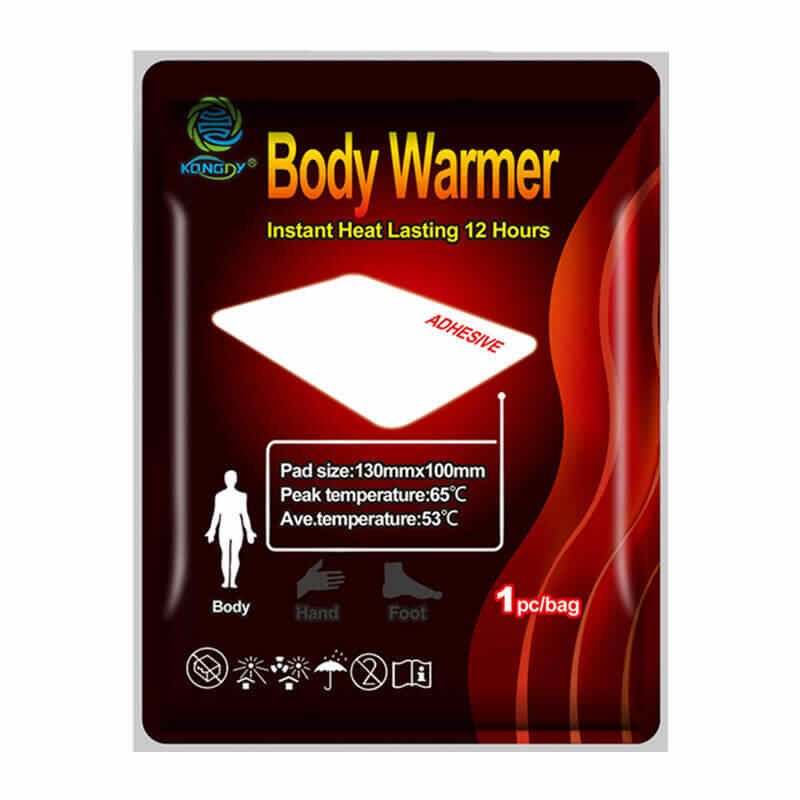
Some body warmer products are safer than others, and the right choice can significantly reduce your risk. The features to look for: clear temperature specifications (the product should state the peak temperature and duration), good brand reputation (established brands with quality control are more reliable), low-allergen formulation (fragrance-free or hypoallergenic options for sensitive users), strong but skin-friendly adhesive (stays in place without causing irritation), and quality packaging (intact packaging with clear expiration date and instructions). The features to avoid: very cheap products with no specifications (may be made with low-quality materials or have inconsistent temperature control), products with very strong or unusual chemical smells (may indicate poor quality materials), products without expiration dates or lot numbers (suggest poor quality control), and products with damaged or unclear packaging. Investing a small amount more in a quality product from a reputable manufacturer significantly reduces the risk of problems.
For regular body warmer users, having a few simple items on hand allows for quick response to any issues. The recommended items are: cool water or cool pack (for cooling any skin reaction), gentle moisturizer or aloe vera gel (for soothing irritated skin), hydrocolloid bandages (for covering any small blisters or irritated areas), antihistamine cream or oral antihistamine (for allergic reactions), and a thermometer (to check body temperature if you suspect the patch is causing systemic overheating). These items are inexpensive, take up little space, and provide peace of mind for regular body warmer users.
Several common misconceptions can lead to unsafe use. Misconception 1: "body warmers are too low-temperature to cause burns." False. While body warmers operate at lower temperatures than a hot stove or boiling water, prolonged exposure at 40-50°C can cause low-temperature burns, especially when combined with pressure, direct skin contact, or use during sleep. Misconception 2: "if it doesn't feel hot, it's safe." False. Low-temperature burns can occur even when the heat feels comfortable, because the damage is cumulative over time. Misconception 3: "all body warmers are the same." False. Quality, materials, temperature control, and adhesive design vary significantly between products. Misconception 4: "body warmers are safe for everyone." False. Children, the elderly, diabetics, and people with certain medical conditions have elevated risk and need to take extra precautions. Misconception 5: "if a patch is expired, it's still safe to use." False. Expired patches may have reduced heat regulation, increased risk of leakage, or inconsistent temperature control. Discard expired patches.
Body warmers should be stored properly to maintain safety and effectiveness. The storage recommendations are: store in a cool, dry place (heat and humidity can prematurely activate the reaction or degrade materials), keep in original sealed packaging until use (exposure to air begins the reaction), do not store in cars or other locations that may reach high temperatures, keep away from children and pets (both for safety and to prevent premature activation), check expiration dates before use (discard expired patches), and do not store near flammable materials (very rare but possible risk of ignition if the patch is damaged and exposed to high heat). Proper storage extends the shelf life (typically 2-3 years for unopened body warmers) and ensures reliable performance when used.
For travelers, body warmers are a useful item but require some additional considerations. The travel tips are: pack in carry-on luggage if possible (avoids potential issues with checked luggage temperature variations), check airline regulations for the specific carrier (most airlines allow body warmers in both carry-on and checked luggage), be aware of destination regulations (some countries restrict certain types of patches, though most body warmers are widely allowed), carry extra clothing layers for backup warmth (don't rely solely on body warmers in extreme cold), be prepared for different climate conditions (the same body warmer may be too warm for a heated indoor space and not warm enough for extreme outdoor cold), and use body warmers for comfort rather than as primary safety equipment (in extreme cold conditions, proper clothing and shelter are more important than body warmers).
Body warmers are very safe when used as directed, and the vast majority of users never experience any problems. The key to safe use is straightforward: apply over clothing (not directly on skin), don't use while sleeping, don't use on broken or numb skin, follow the duration limit, monitor for any unusual reactions, and choose quality products from reputable manufacturers. For users in higher-risk categories (children, elderly, diabetics, sensitive skin), take extra precautions including shorter duration, more frequent skin checks, and consideration of gentler formulations. With these simple precautions, body warmers can provide reliable warmth and comfort throughout the cold season.
For brand owners interested in developing or sourcing body warmer products, contact Kangdi Medical. Our team provides formulation expertise, manufacturing quality, and regulatory support to help you build products that are both effective and safe.
Email: kongdy202113@gmail.com
WhatsApp: +86 15517541011
Website: www.kongdypatch.com
Specializing in the integration of scientific research, production and marketing of medical devices


 0086-15517541011
 No.4,2nd Area,SME Poineer Park,Industry Cluster Zone,Huaiyang Country, Zhoukou, Henan, China.
 kongdy202113@gmail.com