OEM Patch Manufacturing: 10 Critical Steps Before Signing Your Contract
Author: KONGDY Medical
Date: 03 18,2026

Introduction
As the global demand for transdermal patch products continues to grow, more brands are looking to source OEM (Original Equipment Manufacturing) or ODM (Original Design Manufacturing) partners in China. However, signing a contract with the wrong supplier can lead to quality issues, production delays, and significant financial losses.
This guide outlines the 10 critical steps you must take before signing any OEM patch manufacturing contract.
Step 1: Verify Production Credentials and Certifications
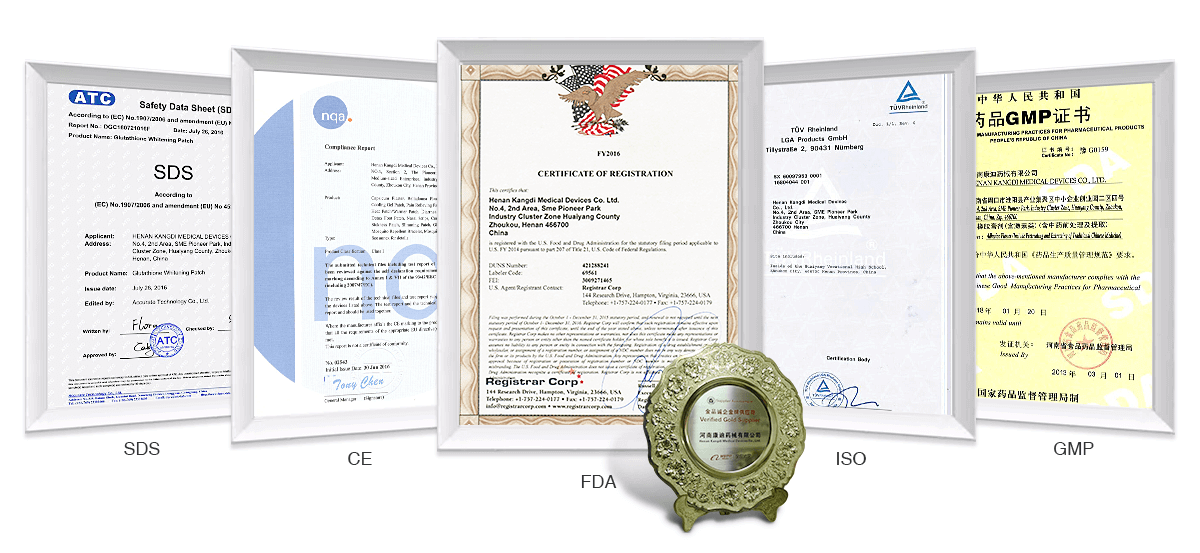
 Always confirm your potential OEM partner holds legitimate business licenses and relevant certifications:
- ISO 13485 – Medical device quality management system
- FDA registration – Required for US market entry
- CE marking – Essential for European market access
- GMP (Good Manufacturing Practice) – Proof of standardized production
Request certified copies and verify them on official government databases.
Step 2: Assess Factory Scale and Production Capacity
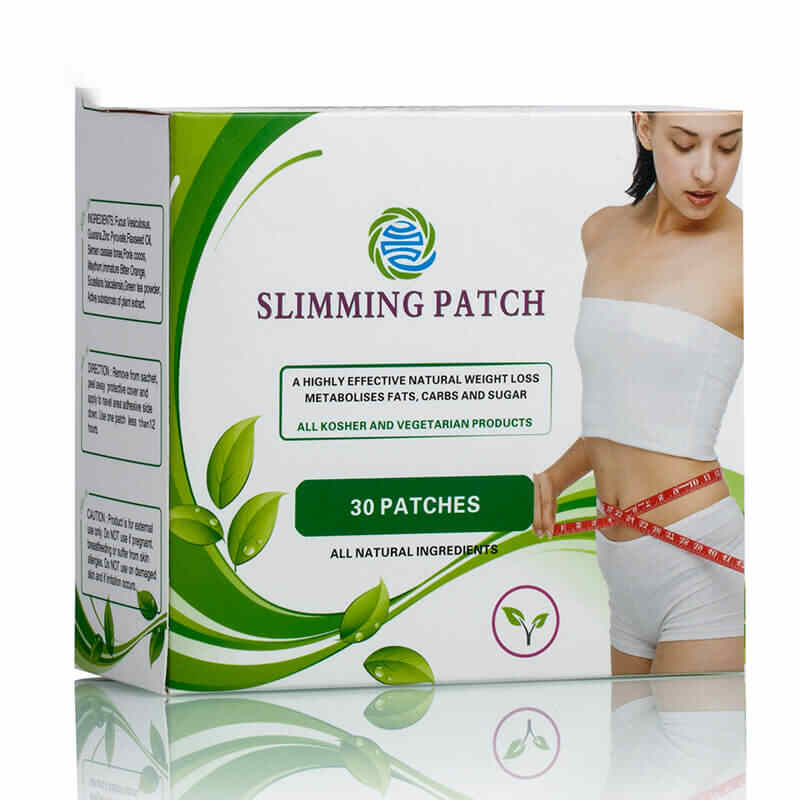
Visit the factory if possible, or request detailed documentation about:
- Factory floor area (20,000+ sqm is preferable for large-scale production)
- Number of production lines
- Monthly/annual output capacity
- Employee count and technical staff ratio
Step 3: Evaluate R&D Capabilities
A reliable OEM/ODM partner should have in-house R&D capabilities:
- Pharmaceutical or formulation expertise
- Ability to develop custom formulations
- Product testing and quality control labs
- Past successful formulas for reference
Step 4: Request and Validate Sample Products
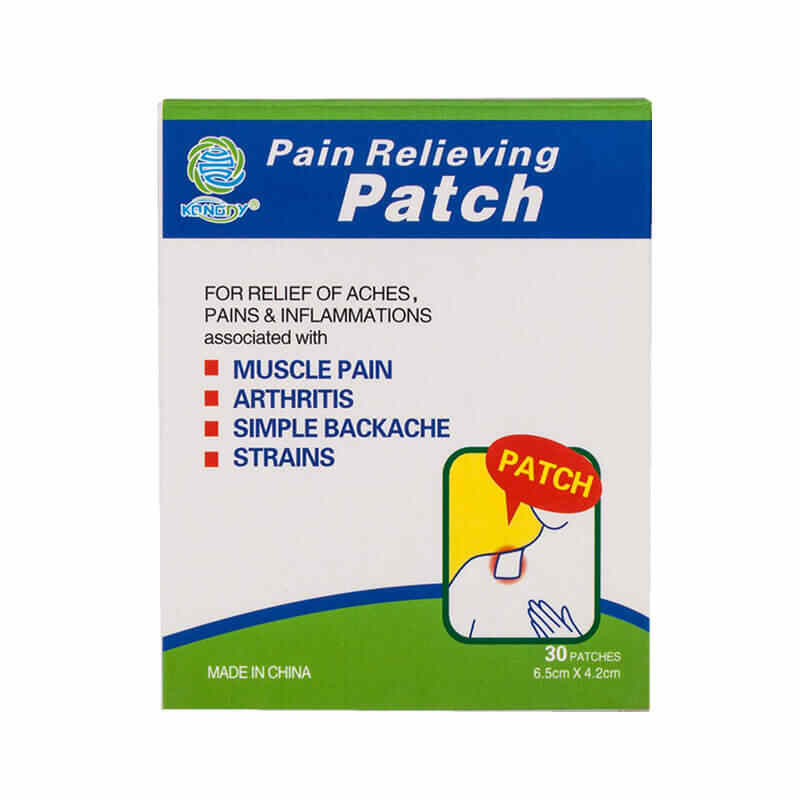
 Always order samples before committing:
- Request 3-5 samples of different product types
- Test for skin sensitivity and adhesion
- Verify ingredient list matches specifications
- Test packaging and labeling accuracy
Step 5: Understand the Formulation Development Process
Clarify ownership of formulations:
- Will formulations be exclusive to your brand?
- Are there MOQ (Minimum Order Quantities) for custom formulas?
- What is the timeline for formula development?
- Are stability testing results provided?
Step 6: Review Quality Control Procedures
Quality control should be embedded throughout production:
- Incoming material inspection protocols
- In-process quality checks
- Final product testing standards
- Batch tracking and traceability systems
Step 7: Clarify Packaging and Labeling Requirements
Packaging details can make or break your product:
- Custom packaging design and printing capabilities
- Compliance with local labeling regulations
- Child-resistant and tamper-evident packaging options
- Multilingual labeling support
Step 8: Negotiate Payment Terms and MOQ
Understand all cost components:
- Unit cost vs. tooling/mold fees
- Sample costs vs. bulk pricing
- Payment terms (typically 30% deposit, 70% before shipment)
- MOQ for different product types
Step 9: Discuss Lead Times and Logistics
Clear timelines prevent future disputes:
- Standard production lead time
- Peak season buffers
- Shipping methods and estimated transit times
- Warehouse storage options
Step 10: Review Contract Terms Thoroughly
Before signing, ensure the contract covers:
- Product specifications and quality standards
- Defect handling and return policies
- Confidentiality and non-compete clauses
- Exit strategy and IP ownership terms
Why Choose KONGDY as Your OEM Patch Partner?

With 35+ years of experience in transdermal patch manufacturing, KONGDY offers:
Ready to start your OEM journey? Contact KONGDY today for a free consultation and sample evaluation.



 0086-15517541011
 No.4,2nd Area,SME Poineer Park,Industry Cluster Zone,Huaiyang Country, Zhoukou, Henan, China.
 kongdy202113@gmail.com