
Author: Kongdy Patch
Date: 06 24,2026
Wound care patches — including hydrocolloid dressings, hydrogel patches, foam dressings, and transparent film dressings — represent one of the most important advances in at-home first aid and skin care in the past 30 years. Originally developed for hospital use in managing chronic wounds (pressure ulcers, diabetic foot ulcers, surgical wounds), these products have become widely available to consumers for everything from minor cuts and scrapes to blisters, acne, and even cosmetic skin treatments. The category is broad, the products vary significantly in their properties and appropriate uses, and choosing the right product makes a meaningful difference in healing outcomes. This practical guide covers the main types of wound care patches, how to match them to specific wound types, the proper application and removal techniques, and the most common mistakes that delay healing. Whether you are treating a child's scraped knee, your own blisters from a long hike, or a chronic skin condition, this guide will help you make better wound care choices.
Wound care patches are advanced dressings that create an optimal healing environment at the wound site. Unlike traditional gauze and tape, which can stick to the wound, disrupt the healing tissue when removed, and require frequent changes, modern wound care patches maintain a moist, protected environment that supports the body's natural healing processes. The benefits of modern wound care patches include: faster healing (typically 30-50% faster than traditional dressings in clinical studies), reduced pain (the moist environment protects exposed nerve endings), reduced scarring (better tissue regeneration under optimal conditions), reduced infection risk (the sealed environment keeps out bacteria while allowing the body's immune system to function), and reduced dressing change frequency (many patches can stay in place for several days). The most common types are hydrocolloid dressings, hydrogel patches, foam dressings, transparent film dressings, and silicone-based dressings. Each type has specific properties and appropriate uses.
Hydrocolloid dressings are the most widely used and versatile wound care patches for consumer use. The composition: a backing film (typically polyurethane) with a hydrocolloid layer (gel-forming agents like carboxymethyl cellulose, pectin, and gelatin) on the wound side. The mechanism: the hydrocolloid absorbs wound exudate (fluid) and forms a soft gel, creating a moist healing environment while protecting the wound from contamination. The appropriate uses: minor cuts and scrapes, blisters (friction blisters from shoes or sports, blood blisters), minor burns (first-degree and superficial second-degree), pressure injuries (early stages), acne lesions (especially inflamed pimples and cysts), and post-procedure wounds (after mole removal, biopsies, etc.). The advantages: easy to apply, stays in place for 3-7 days, waterproof, allows showering, can be cut to size, and provides excellent healing environment. The disadvantages: not appropriate for infected wounds (can trap bacteria), not appropriate for heavily exuding wounds (saturates quickly), and not appropriate for dry wounds (can stick to the wound and disrupt healing when removed). The popular consumer brands include Band-Aid Hydro Seal, Compeed (blister treatment), and various store brands.
Hydrogel patches are designed to provide moisture to dry or minimally exuding wounds, making them complementary to hydrocolloid dressings. The composition: a backing film with a hydrogel layer (typically 60-90% water in a polymer matrix) on the wound side. The mechanism: the hydrogel donates moisture to the wound, rehydrating dry tissue and supporting the natural healing process. The appropriate uses: dry or minimally exuding wounds, minor burns (especially first-degree burns and sunburns), radiation burns and skin reactions, and dry skin conditions. The advantages: provides moisture to dry wounds, cooling effect for burns, easy to apply and remove, and can be cut to size. The disadvantages: not appropriate for heavily exuding wounds (can macerate surrounding skin), shorter wear time than hydrocolloid (typically 1-3 days), and may require secondary dressing to hold in place. Hydrogel patches are commonly used in burn care and for specific skin conditions.
Foam dressings are designed for wounds with significant fluid (exudate), making them appropriate for more serious wounds. The composition: a backing film (often waterproof) with a foam layer (typically polyurethane foam) on the wound side. The mechanism: the foam absorbs and retains large amounts of exudate, keeping the wound moist but not macerated, while the backing film prevents contamination. The appropriate uses: moderately to heavily exuding wounds, pressure ulcers (stages 2-3), venous leg ulcers, surgical wounds, and traumatic wounds. The advantages: high absorbency (can manage heavy exudate), comfortable and conformable, can stay in place for 3-7 days, and provides cushioning. The disadvantages: more expensive than hydrocolloid or hydrogel, requires more careful application, and may require secondary fixation (tape or wrap). Foam dressings are typically used in more serious wound care situations, including post-surgical care and chronic wound management.
Transparent film dressings are thin, transparent polyurethane films with adhesive on one side, used primarily for protection rather than active wound healing. The composition: a thin, transparent polyurethane film with a medical-grade adhesive on the wound side. The mechanism: the film provides a waterproof, breathable barrier that protects the wound while allowing visual monitoring without removing the dressing. The appropriate uses: protection of intact skin (over IV sites, for friction prevention), superficial wounds (minor abrasions, post-procedure sites), securing other dressings (as a secondary dressing), and tattoo aftercare (protecting new tattoos from contamination). The advantages: transparent (allows monitoring without removal), waterproof, breathable, conforms well to body contours, and inexpensive. The disadvantages: no absorbency (not appropriate for exuding wounds), adhesive can be irritating to sensitive skin, and limited cushioning or padding. Transparent film dressings are most useful for protection and monitoring rather than for active wound healing.
Silicone-based dressings and silicone gel sheets are designed for sensitive skin, fragile skin (elderly, pediatric), and scar management. The composition: a silicone gel layer (medical-grade silicone) on a flexible backing. The mechanism: the silicone creates a protective, hydrating layer that supports the skin's natural barrier function and regulates collagen production to prevent abnormal scarring. The appropriate uses: scar prevention and treatment (post-surgical scars, keloids, hypertrophic scars), sensitive or fragile skin (elderly patients, pediatric patients, patients on long-term steroids), burn care (post-burn scar management), and chronic wound management. The advantages: gentle on sensitive skin, reusable (many silicone products can be washed and reused), effective for scar prevention, and well-tolerated for extended wear. The disadvantages: more expensive than other dressing types, less absorbent than foam or hydrocolloid, and may require tape or wrap to keep in place. Silicone products are particularly valued in scar management and for patients with sensitive or fragile skin.
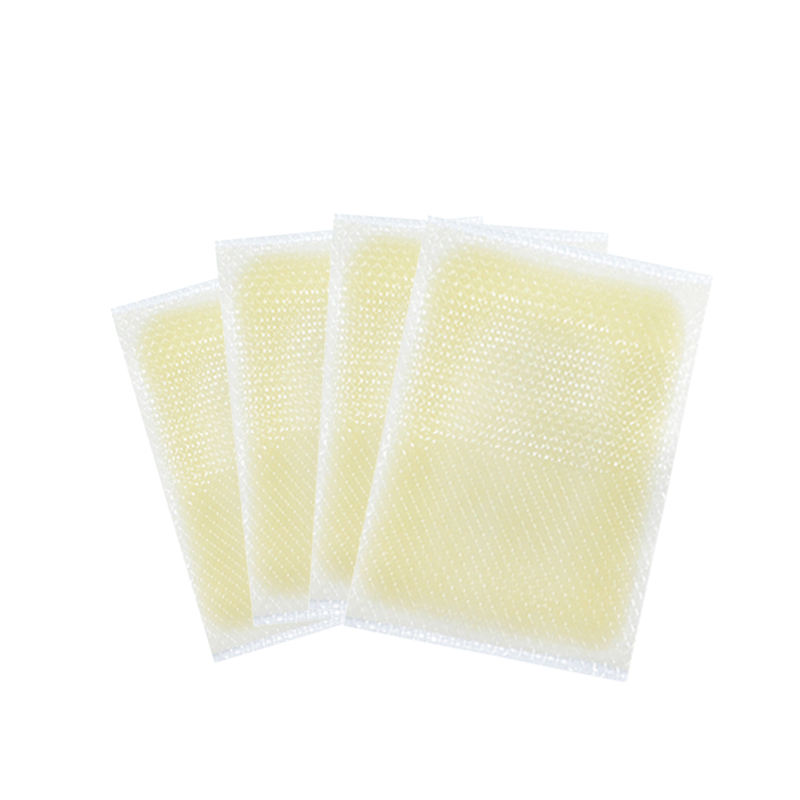
The right patch for a specific wound depends on the wound type, the amount of exudate, the depth of the wound, the location on the body, and the user's skin sensitivity. For minor cuts and scrapes with light exudate: hydrocolloid is usually the best choice. For blisters (intact or deroofed): hydrocolloid (Compeed-type products) is the gold standard, providing cushioning and protection. For acne lesions (especially inflamed): hydrocolloid patches are highly effective, absorbing fluid and reducing inflammation; specialized acne patches (with salicylic acid or other actives) are also available. For minor burns: hydrogel is best for first-degree and superficial second-degree burns, with hydrocolloid appropriate once the burn is no longer exuding heavily. For post-procedure wounds (after mole removal, biopsy, etc.): hydrocolloid or transparent film, with the choice depending on exudate level. For chronic wounds (diabetic ulcers, pressure ulcers): foam dressings are typically the best choice, ideally under medical supervision. For scar prevention: silicone-based products, ideally started early and continued for 2-6 months.
Proper application is essential for the patch to function correctly. The application steps: step 1, clean the wound (gently clean with mild soap and water or saline, pat dry, do not use hydrogen peroxide or alcohol which can damage tissue). Step 2, choose the right size (the patch should extend at least 1-2 cm beyond the wound edge on all sides). Step 3, remove the release liner (handle the patch by the edges to avoid contamination). Step 4, apply the patch (center the patch over the wound, apply from the center outward to avoid air bubbles, smooth the edges to ensure adhesion). Step 5, press firmly (apply pressure for 30-60 seconds to ensure the adhesive bonds with the skin, especially around the edges). For removal: gently lift one corner and stretch the patch parallel to the skin (this breaks the adhesive bond without pulling the skin), continue stretching and lifting until the patch releases, do not pull the patch away from the skin vertically (this can damage the healing tissue and the surrounding skin). The dressing change frequency depends on the product and the wound, but most modern patches are designed to stay in place for 3-7 days unless they become saturated, lift at the edges, or develop an odor.
Several common mistakes can delay healing or cause additional problems. Mistake 1, using hydrogen peroxide or alcohol (these damage healing tissue and should be avoided; mild soap and water or saline is sufficient). Mistake 2, changing the dressing too frequently (each change disrupts the healing tissue; modern patches are designed to stay in place for 3-7 days). Mistake 3, removing the patch prematurely (the gel that forms under a hydrocolloid may look concerning but is normal; do not remove the patch unless it's saturated, lifting, or has an odor). Mistake 4, using the wrong patch type (using a hydrocolloid on a heavily exuding wound, using a hydrogel on a dry wound that needs moisture absorption, using a film dressing on a wound that needs absorbency). Mistake 5, ignoring signs of infection (increasing redness, warmth, swelling, pain, pus, red streaking, or fever require medical attention and may require changing the dressing type and starting antibiotics). Mistake 6, reusing disposable patches (single-use patches should not be reused, as the adhesive and absorbent properties are compromised after removal). Avoiding these mistakes requires understanding the products and following the proper application and monitoring protocols.
Most minor wounds heal well with appropriate home care using modern wound care patches, but some situations require medical attention. See a healthcare provider if: the wound is deep (more than 0.5 cm), long (more than 2-3 cm), or has jagged edges (may need stitches), the wound is on the face, joints, or genitals (these areas have specific healing considerations), the wound was caused by a dirty or rusty object (tetanus risk), the wound shows signs of infection (increasing redness, warmth, swelling, pain, pus, red streaking, or fever), the wound doesn't show improvement within 1-2 weeks, you have a medical condition that affects healing (diabetes, peripheral vascular disease, immune compromise, chronic steroid use), or you have not had a tetanus booster in the past 5-10 years. For these situations, the appropriate first step is medical evaluation, not continued self-treatment with wound care patches.
The consumer wound care market is evolving rapidly, with several trends to watch. Smart dressings: integration of sensors that monitor pH, temperature, moisture, and bacterial load, alerting the user to signs of infection or healing problems. Drug-eluting dressings: patches that deliver antibiotics, growth factors, or other therapeutics directly to the wound site. Bioactive materials: dressings made from materials that actively support healing (collagen, chitosan, hyaluronic acid, antimicrobial peptides). Personalized dressings: products tailored to specific wound types, patient characteristics, and healing stages. Telemedicine integration: combination of smart dressings with telemedicine platforms for remote monitoring and consultation. The brands that anticipate and lead these trends will capture disproportionate market share in the growing category.
Modern wound care patches are a significant advance over traditional dressings, and choosing the right patch for each wound type makes a meaningful difference in healing outcomes. Whether you are a consumer treating minor wounds at home or a brand owner developing products for the consumer wound care market, understanding the products and using them appropriately is the foundation for success. The brands that succeed will be those that combine effective products with clear consumer education, that invest in quality and innovation, and that build trust through consistent performance. At Kangdi Medical, we support both consumers and brand owners in the wound care category, with product education, formulation development, and market entry strategy.
Email: kongdy202113@gmail.com
WhatsApp: +86 15517541011
Website: www.kongdypatch.com
Specializing in the integration of scientific research, production and marketing of medical devices


 0086-15517541011
 No.4,2nd Area,SME Poineer Park,Industry Cluster Zone,Huaiyang Country, Zhoukou, Henan, China.
 kongdy202113@gmail.com