
Author: Kongdy Patch
Date: 04 29,2026
Slim Patch is a transdermal weight management patch designed for daily wear. Applied directly to the skin, it delivers active botanical ingredients — such as herbal extracts, plant-based compounds, or thermogenic agents — through the dermal layer over an extended period, typically 8 to 24 hours per patch. As a non-invasive alternative to capsules and powders, slim patches have gained significant traction in the global wellness and weight management market.
For brands, retailers, and wholesale distributors looking to expand their product lines, slim patches represent a low-barrier, high-demand category with strong repeat purchase rates.
The global weight management market is projected to exceed $400 billion by 2030, with topical and wearable wellness formats growing at an accelerated pace. Consumers increasingly prefer:
Slim patches sit at the intersection of all four trends, making them a strong product category for ecommerce brands, health retailers, beauty supplement lines, and gym/fitness distributors.
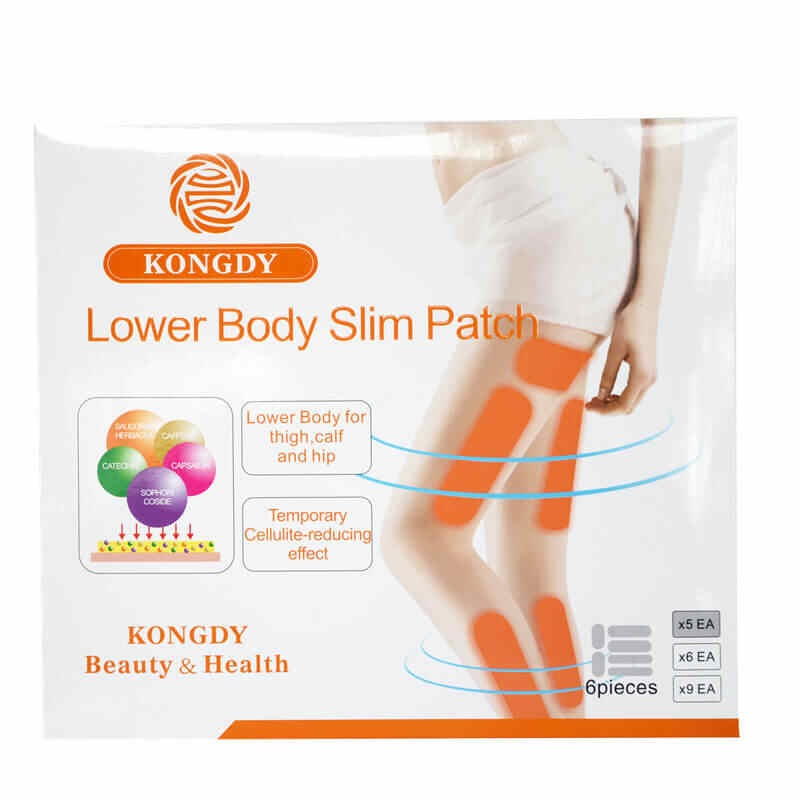
If you operate a wellness, fitness, or beauty brand and are looking to expand your SKU lineup without heavy R&D investment, custom slim patches are an ideal option. Manufacturers offer:
Distributors supplying gyms, pharmacies, health food stores, or online marketplaces can source ready-made slim patches at wholesale pricing. Typical advantages include:
Slim patches perform exceptionally well in the DTC (direct-to-consumer) space. Low unit cost, strong visual appeal in packaging, and high search volume around keywords like "weight loss patch," "slimming patch," and "detox patch" make this a competitive but profitable category.
When working with a slim patch manufacturer, the following elements are typically customizable:
| Customization Area | Options Available |
|---|---|
| Active Ingredients | Herbal extracts (ginger, green tea, garcinia cambogia, etc.), essential oils, thermogenic compounds |
| Patch Size | Small (5×5 cm), medium (7×7 cm), large (10×10 cm) |
| Adhesive Type | Hypoallergenic, waterproof, breathable fabric |
| Patch Substrate | Non-woven fabric, hydrogel, medical-grade film |
| Packaging | Sachet, blister card, pouch, box (custom print available) |
| Dosage Count per Pack | 10, 15, 20, 30, or custom count |
| Label & Branding | Full custom artwork, language localization |
| Certifications | ISO, GMP, cruelty-free, organic (depending on manufacturer) |
When sourcing a supplier, look for the following:
Q: What is the typical minimum order quantity for custom slim patches?A: Most manufacturers accept MOQs of 500 to 2,000 units depending on the level of customization. Ready-made formulations typically have lower MOQs.
Q: Can I request a specific ingredient profile for my brand?A: Yes. OEM/ODM manufacturers work with your formulation requirements. They can develop a proprietary blend or replicate a general market formula with your brand identity.
Q: Are slim patches regulated as supplements or cosmetics?A: This varies by country. In the US, topical patches claiming wellness benefits may be classified under supplements or cosmetics. Always consult a regulatory advisor for your target market.
Q: How is quality controlled during production?A: GMP-certified manufacturers conduct in-process quality checks at each production stage: raw material testing, mixing, patch lamination, adhesion testing, and finished goods inspection.
Q: Can the manufacturer handle international shipping?A: Most established slim patch manufacturers offer FOB, CIF, or DDP shipping terms and have experience exporting to North America, Europe, Southeast Asia, and the Middle East.
Slim Patch is a commercially proven, consumer-friendly product that offers significant opportunity for wholesale buyers, private label brands, and e-commerce sellers. The combination of high consumer demand, low production complexity, and wide customization options makes it one of the most accessible health product categories for new and established brands alike.
If you are considering sourcing slim patches — whether for custom branding, wholesale distribution, or market testing — working directly with a GMP-certified manufacturer is the most cost-effective path to market.
Specializing in the integration of scientific research, production and marketing of medical devices


 0086-15517541011
 No.4,2nd Area,SME Poineer Park,Industry Cluster Zone,Huaiyang Country, Zhoukou, Henan, China.
 kongdy202113@gmail.com