
Author: Kongdy Patch
Date: 05 21,2026
When pain strikes, most people reach for a pill. But oral pain relievers come with a well-documented list of side effects—stomach irritation, liver strain, drowsiness, and dependency risks. In recent years, both patients and healthcare professionals have begun asking a critical question: Is there a better way?
The answer increasingly points to transdermal pain relief patches—topical delivery systems that target pain at its source without the systemic side effects of oral medication. This article compares the two approaches across effectiveness, safety, convenience, and long-term outcomes.
Oral pain relievers—including NSAIDs (ibuprofen, naproxen), acetaminophen, and opioids—work by entering the bloodstream through the digestive system. From there, they circulate systemically, affecting the entire body rather than just the painful area.
Pros of oral medication:
Cons of oral medication:
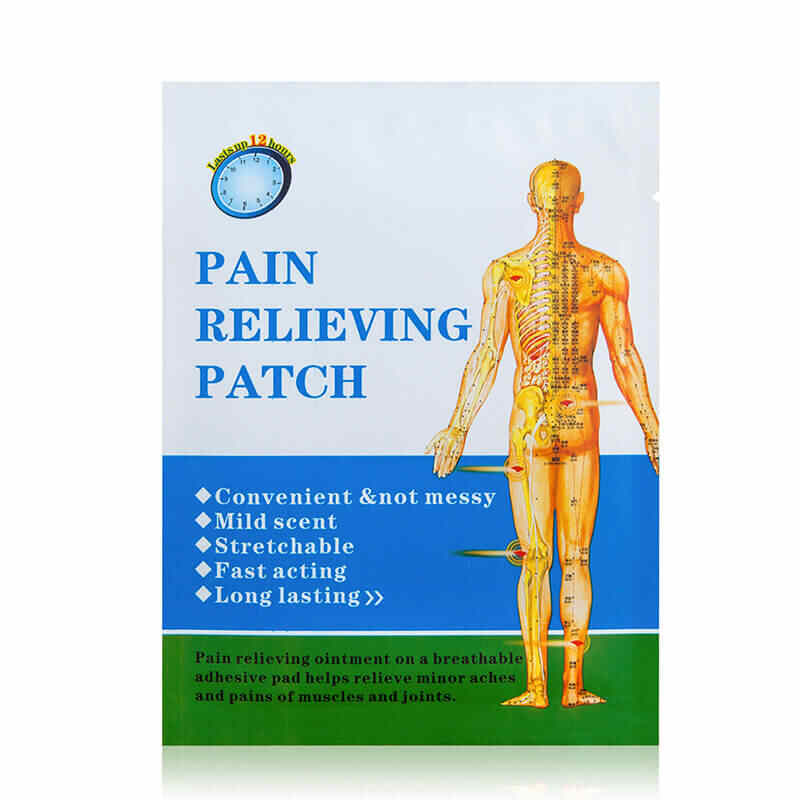
Transdermal patches deliver active ingredients directly through the skin and into the underlying tissue—bypassing the digestive system entirely. This targeted approach means ingredients reach the painful area faster and more efficiently, while minimizing systemic exposure.
Pros of transdermal patches:
No dependency risk — non-opioid patch options available (menthol, capsicum, lidocaine)
| Criteria | Oral Medication | Transdermal Patch |
|---|---|---|
| Onset of action | 30–60 minutes | 15–30 minutes (topical) |
| Targeted delivery | Systemic (whole body) | Localized (precise area) |
| GI side effects | Common (NSAIDs) | None |
| Liver/kidney impact | Significant with chronic use | Minimal |
| Duration of effect | 4–8 hours per dose | 8–12 hours per patch |
| Convenience | Must remember doses | Apply once; no schedule needed |
| Drowsiness | Yes (opioids, some NSAIDs) | No (most formulations) |
| Dependency risk | High (opioids) | None (non-opioid options) |
| Skin compatibility | N/A | Minor risk of irritation |
| Cost per treatment | Low (generic NSAIDs) | Mid-range (varies by brand) |
Transdermal patches are the better choice when:
Oral medication remains the preferred option for:
For many patients, the optimal strategy is a combined approach—using oral medication for acute flare-ups while relying on transdermal patches for daily maintenance and ongoing pain management.
Example regimen:
This approach can significantly reduce total oral medication consumption—lowering the risk of GI, liver, and kidney side effects while maintaining effective pain control.
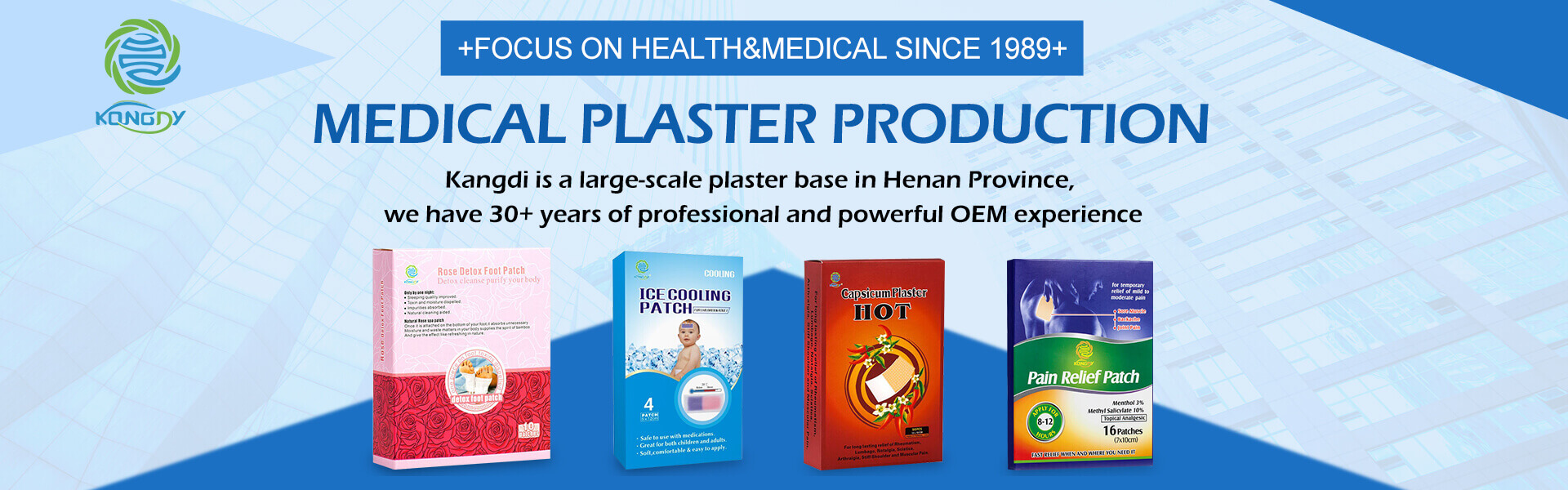
KONGDY pain relief patches are manufactured by Henan Kangdi Medical Devices Co., LTD, a factory with 35+ years of experience in transdermal patch production. Our patches offer:
When comparing transdermal patches vs oral medication, patches offer clear advantages for localized, chronic pain management—particularly in terms of safety, convenience, and sustained relief. Oral medication remains valuable for acute, systemic, or severe pain—but should no longer be the default choice for everyday pain management.
The future of pain relief is topical, targeted, and side-effect-free. KONGDY is proud to lead the way with high-quality transdermal patches backed by decades of manufacturing expertise.
Ready to explore OEM options?
Email: kongdy202113@gmail.com
WhatsApp: +86 15517541011
Website: www.kongdypatch.com
Specializing in the integration of scientific research, production and marketing of medical devices


 0086-15517541011
 No.4,2nd Area,SME Poineer Park,Industry Cluster Zone,Huaiyang Country, Zhoukou, Henan, China.
 kongdy202113@gmail.com