
Author: Kongdy Patch
Date: 05 18,2026
Summary: The global slimming patch market continues to expand as consumers seek convenient, non-invasive weight management solutions. This guide outlines 7 key standards for selecting a reliable slimming patch OEM manufacturer for your private label brand.
Slimming patches (also called weight loss patches, body patches, or detox patches) are topical products designed to support weight management through various mechanisms — from herbal ingredient absorption to sweating stimulation and appetite suppression. The global wellness economy has driven significant growth in the slimming patch market, creating opportunities for private label brand owners.
However, the quality of your OEM manufacturer will determine whether your brand builds a loyal customer base or faces safety complaints and product returns.
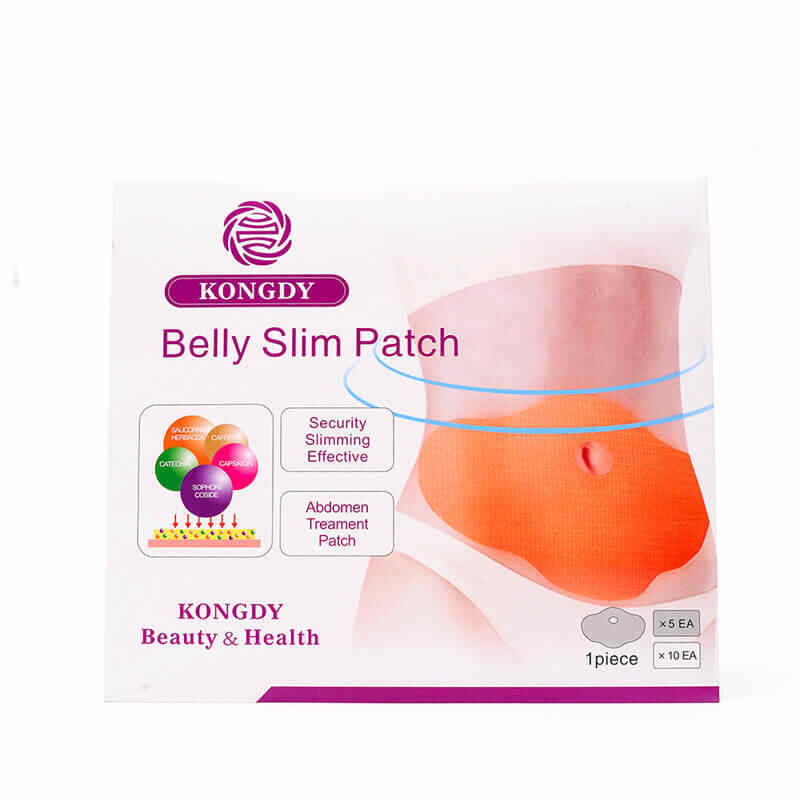
Slimming patches typically rely on plant-based ingredients for their active components. A quality slimming patch factory should demonstrate:
Slimming patch marketing must comply with local advertising regulations:
Familiarize yourself with the most effective slimming patch ingredients:
| Ingredient | Mechanism | Typical Concentration |
|---|---|---|
| Caffeine | Fat oxidation, thermogenesis | 1-5% |
| Garcinia Cambogia (HCA) | Appetite suppression, fat blocking | 5-10% |
| Green tea extract (EGCG) | Antioxidant, metabolic boost | 2-8% |
| L-Carnitine | Fatty acid transport | 1-3% |
| Bamboo extract (silica) | Skin smoothing, detoxification | 1-5% |
| Tourmaline powder | Far-infrared emission, circulation | 0.5-2% |
The physical patch construction is as important as the formula:
While slimming patches are wellness products, evidence-based brands stand out:
A professional slimming patch manufacturer should offer comprehensive customization:
Slimming patch regulations vary by market:
When selecting a slimming patch OEM manufacturer, focus on these 7 key standards:
| Standard | What to Verify |
|---|---|
| Ingredient sourcing | Traceability, third-party testing, pesticide screening |
| Claim compliance | Advertising law adherence, ingredient disclosure |
| Active ingredients | Caffeine, HCA, green tea, L-carnitine, bamboo extract |
| Patch technology | Hydrogel matrix, adhesive quality, wear duration |
| Safety testing | ISO 10993, skin compatibility, clinical evidence |
| Customization | Shape, size, packaging, branding flexibility |
| Regulatory support | FDA, CPNP, NMPA, ACD registration experience |
Ready to launch your private label slimming patch brand? Contact Kongdy Patch for product samples, custom formulation, and a competitive OEM quotation.
Specializing in the integration of scientific research, production and marketing of medical devices


 0086-15517541011
 No.4,2nd Area,SME Poineer Park,Industry Cluster Zone,Huaiyang Country, Zhoukou, Henan, China.
 kongdy202113@gmail.com