
Author: Kongdy Patch
Date: 06 05,2026
The herbal and natural transdermal patch segment grew at 12-15% CAGR from 2020 to 2025, outpacing the overall transdermal patch market by 2-3x. This growth is driven by three converging trends: consumer preference for plant-based ingredients (68% of US supplement users now prefer plant-based products), regulatory acceptance of traditional herbal actives in OTC monograph systems, and the development of new formulation technologies that allow effective transdermal delivery of complex botanical ingredients. For brand owners, the herbal patch category offers attractive gross margins (55-70% vs 35-50% for synthetic patches), strong consumer loyalty, and clear differentiation from commodity synthetic patch products. This guide covers the most commercially important herbal actives, formulation considerations, regulatory pathways, and brand positioning strategies for the herbal patch segment.
The following 8 herbal actives represent the most commercially important ingredients in the herbal patch category, ranked by market demand and brand owner adoption.
Capsaicin is the most clinically validated herbal active for topical pain relief. Derived from chili peppers, capsaicin works through the TRPV1 receptor to provide warming sensation and long-term pain relief through substance P depletion. Capsaicin patches are well-established in the US OTC monograph system (at concentrations up to 0.075%) and the EU traditional herbal medicinal product framework. Typical concentration in patches: 0.025% to 0.075%. Market positioning: premium pain relief, especially for arthritis and neuropathic pain.
Menthol is the most widely used cooling and counterirritant active in transdermal patches. While menthol can be synthesized, natural menthol derived from peppermint oil commands a premium positioning. Typical concentration in patches: 3% to 10%. Menthol patches are positioned for acute pain relief, sports recovery, and headache relief.
Camphor provides mild analgesic and counterirritant effects, often used in combination with menthol for enhanced pain relief. Natural camphor derived from the camphor tree (Cinnamomum camphora) is preferred for natural positioning. Typical concentration in patches: 1% to 3%. Camphor is regulated with specific concentration limits in most markets.
Methyl salicylate from wintergreen oil provides warming and counterirritant effects similar to capsaicin but with faster onset. Typical concentration in patches: 10% to 30%. Wintergreen-sourced methyl salicylate is preferred for natural positioning. Regulatory note: high concentrations are restricted in some markets due to salicylate toxicity concerns.
Eucalyptus oil provides respiratory decongestion and mild analgesic effects. In patch form, it is most commonly used in chest and nasal patches for cold and flu symptom relief, and in combination with menthol for enhanced cooling effect. Typical concentration: 1% to 5%.
Lavender oil provides calming and mild analgesic effects, most commonly used in sleep-aid patches and relaxation patches. The growing consumer interest in aromatherapy supports the lavender patch segment. Typical concentration: 1% to 5%.
Ginger extract provides warming and anti-inflammatory effects, traditionally used in Asian medicine. Ginger patches are positioned for joint pain, muscle soreness, and warming therapy. Typical concentration: 1% to 5%.
Arnica extract is widely used in Europe for bruise and muscle soreness relief. Arnica patches are positioned for sports recovery and post-injury care. Typical concentration: 1% to 5%.
Herbal ingredients vary in active compound content depending on plant source, growing conditions, harvest timing, and extraction method. Standardized extracts with guaranteed active compound content (e.g., capsaicin content 95%+) are essential for consistent product performance. Manufacturers should specify the active compound content of each herbal ingredient and verify it through incoming raw material testing.
Herbal ingredients are generally less stable than synthetic actives. Oxidation, light exposure, and temperature can degrade the active compounds, reducing product efficacy over time. Formulation strategies to address stability include: addition of antioxidants (vitamin E, rosemary extract), use of opaque or UV-protective packaging, nitrogen flushing of pouches to remove oxygen, and specification of storage conditions (typically below 25°C).
Many herbal actives have poor skin penetration on their own. Penetration enhancers (natural or synthetic) may be needed to achieve therapeutic effect. Common natural penetration enhancers include terpenes from essential oils (limonene, menthol itself acts as both active and penetration enhancer), and fatty acid esters. The formulation must balance penetration enhancement with skin comfort.
Herbal ingredients, particularly essential oils, can cause skin sensitization in susceptible individuals. Formulation strategies include: limiting essential oil concentration to sub-irritancy thresholds, conducting HRIPT (Human Repeat Insult Patch Test) on finished formulations, providing clear allergen labeling (e.g., "contains limonene"), and offering fragrance-free or hypoallergenic options for sensitive consumers.
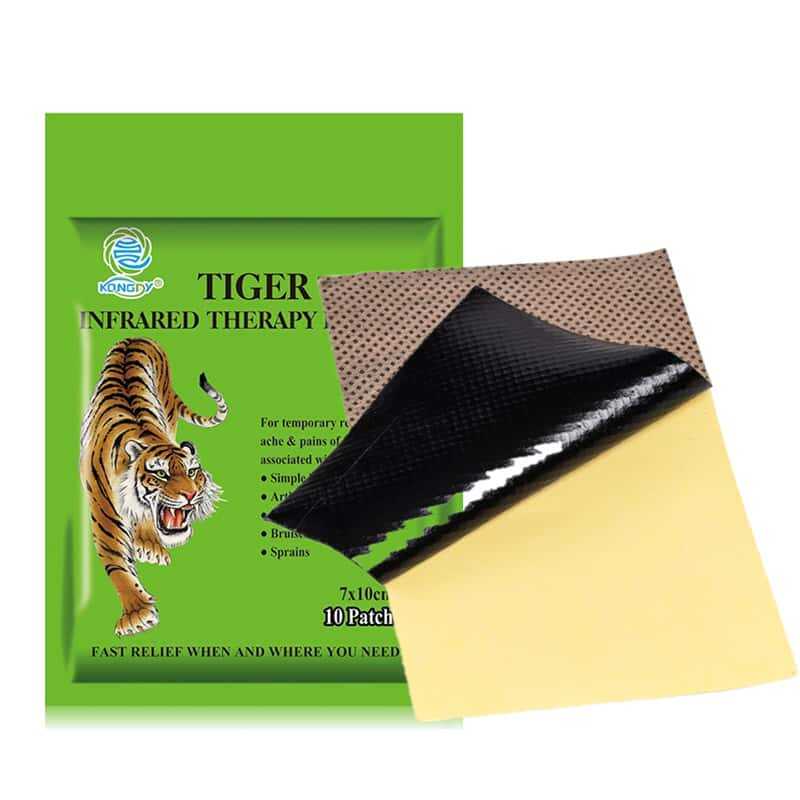
Herbal patches in the US are regulated based on their active ingredients and claims. Capsicum and menthol patches can be sold under FDA OTC monographs with appropriate labeling. Patches with ingredients not in the OTC monograph system are typically regulated as cosmetics (no therapeutic claims) or dietary supplements (transdermal delivery of supplements is not permitted in most cases). Most commercially successful herbal patches in the US use OTC monograph ingredients (capsicum, menthol, camphor, methyl salicylate) with conservative pain relief claims.
Herbal patches in the EU can be regulated through several pathways: traditional herbal medicinal product (THMP) registration under Directive 2004/24/EC for products with traditional use evidence, well-established use marketing authorization for products with substantial clinical evidence, medical device classification for patches delivering herbal actives through physical action (warming, cooling), or cosmetic classification for products with no therapeutic claims. The THMP pathway is the most accessible for herbal pain relief patches in the EU.
Japan, Korea, and China have well-established regulatory frameworks for traditional herbal medicine products. Australia regulates herbal patches under TGA with specific pathways for listed medicines (AUST L) vs registered medicines (AUST R). Southeast Asian and Latin American markets typically follow EU or US frameworks with local variations.
Position the brand around the traditional medicine heritage of the herbal ingredients: "Based on 2,000 years of Traditional Chinese Medicine", "Used in Ayurvedic medicine for centuries", "Inspired by European herbal traditions". This positioning appeals to consumers seeking authentic, time-tested natural solutions.
Position the brand around ingredient transparency and purity: "Made with 100% natural essential oils", "No synthetic ingredients", "Free from artificial fragrances and colors". This positioning appeals to clean beauty and clean wellness consumers.
Position the brand around sustainable and ethical sourcing: "Sustainably wildcrafted", "Fair Trade certified", "Carbon-neutral supply chain". This positioning appeals to environmentally and socially conscious consumers.
Position the brand around clinical validation of the herbal active: "Clinically studied capsaicin patch", "Published research on [active] for pain relief". This positioning appeals to consumers seeking the natural option with the most rigorous evidence base.
| Category | Key Ingredients | Positioning |
|---|---|---|
| Herbal Pain Relief | Capsicum, menthol, camphor, methyl salicylate, ginger | Arthritis, back pain, muscle soreness |
| Herbal Cooling | Menthol, eucalyptus, peppermint | Sports recovery, headache, acute injury |
| Herbal Warming | Capsicum, ginger, cinnamon oil, wintergreen | Chronic pain, circulation, cold weather relief |
| Aromatherapy Wellness | Lavender, chamomile, eucalyptus, bergamot | Sleep, relaxation, stress relief |
| Respiratory Support | Eucalyptus, peppermint, tea tree, camphor | Cold and flu, congestion, breathing support |
| Sports Recovery Herbal | Arnica, menthol, camphor, wintergreen | Post-workout, bruising, muscle soreness |
Herbal patch development follows a similar process to synthetic patch development but with additional considerations for ingredient standardization, stability, and allergen management. The typical timeline is 4-6 months from concept to market, with formulation development taking 8-12 weeks and stability testing running in parallel. The development cost is typically USD 15,000-40,000 for formulation and regulatory documentation, depending on the number of actives and target markets.
Herbal patches require additional QC considerations beyond standard patch QC. Incoming herbal ingredients must be tested for active compound content (typically HPLC or GC), microbial contamination (herbal ingredients are particularly susceptible), heavy metals (some traditional herbs can accumulate heavy metals from soil), and pesticide residues (for plant-sourced ingredients). Manufacturers with herbal patch experience have these testing capabilities in-house or through qualified partner laboratories.
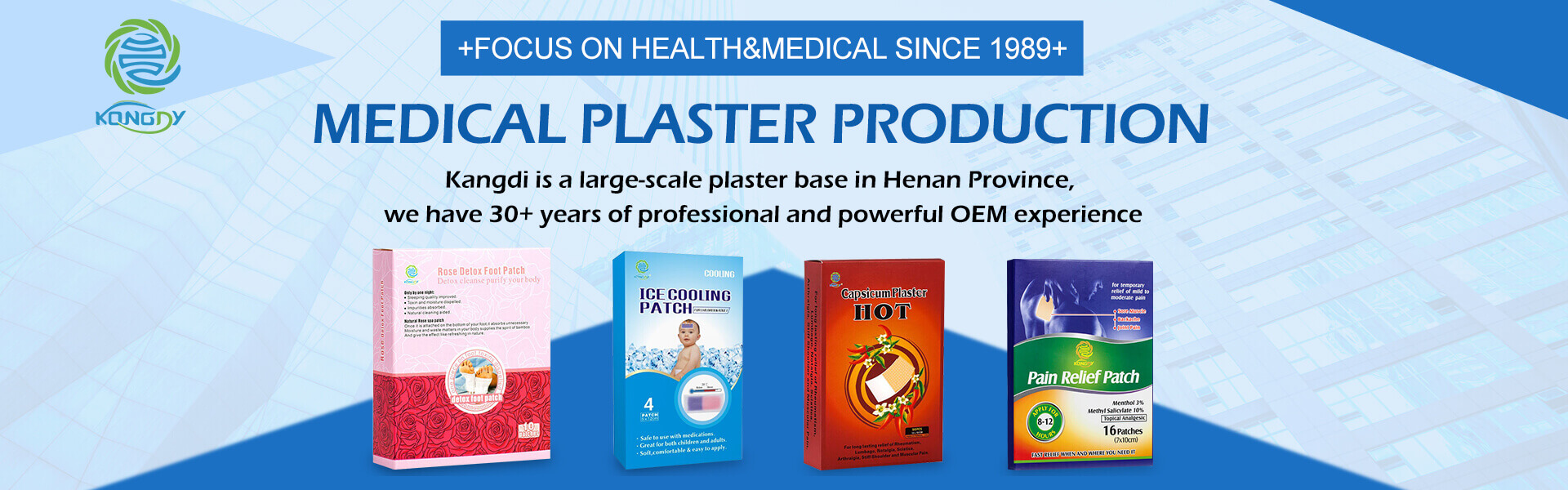
At Kangdi Medical, we have developed specialized capabilities for herbal patch manufacturing over 25+ years. Our herbal patch portfolio includes capsicum, menthol, camphor, methyl salicylate, eucalyptus, lavender, ginger, arnica, and custom herbal blends. Our formulation team has experience with single-active and multi-active herbal formulations, our QC laboratory tests for active compound content, microbial contamination, and heavy metals, and our regulatory team supports traditional herbal medicinal product (THMP) registration in the EU, OTC monograph compliance in the US, and other market-specific requirements.
The herbal and natural patch segment is one of the most attractive growth opportunities in the transdermal patch market for 2026 and beyond. The combination of strong consumer demand, premium positioning opportunity, regulatory pathways for traditional herbal ingredients, and the format advantages of patches over traditional herbal preparations creates a compelling business case. Brands entering this segment now have first-mover advantage in a market that is growing 2-3x faster than the overall patch market.
Contact Kangdi Medical to discuss your herbal patch brand concept, target market, and formulation strategy. We provide herbal-specific formulation development, ingredient sourcing, regulatory documentation, and quality control tailored to the unique requirements of plant-based patch products.
Email: kongdy202113@gmail.com
WhatsApp: +86 15517541011
Website: www.kongdypatch.com
Specializing in the integration of scientific research, production and marketing of medical devices


 0086-15517541011
 No.4,2nd Area,SME Poineer Park,Industry Cluster Zone,Huaiyang Country, Zhoukou, Henan, China.
 kongdy202113@gmail.com